

When it comes to roofing, most homeowners and builders focus on the larger components like shingles, gutters, and underlayment. However, these individuals often overlook the smaller, critical pieces that hold the roofing system together. One such component is the roof cap, a crucial part of maintaining the integrity and functionality of a roof. In this comprehensive article, we will dive deep into what roof caps are, why they are essential, and how to choose the right one for your home.
What is a Roof Cap?
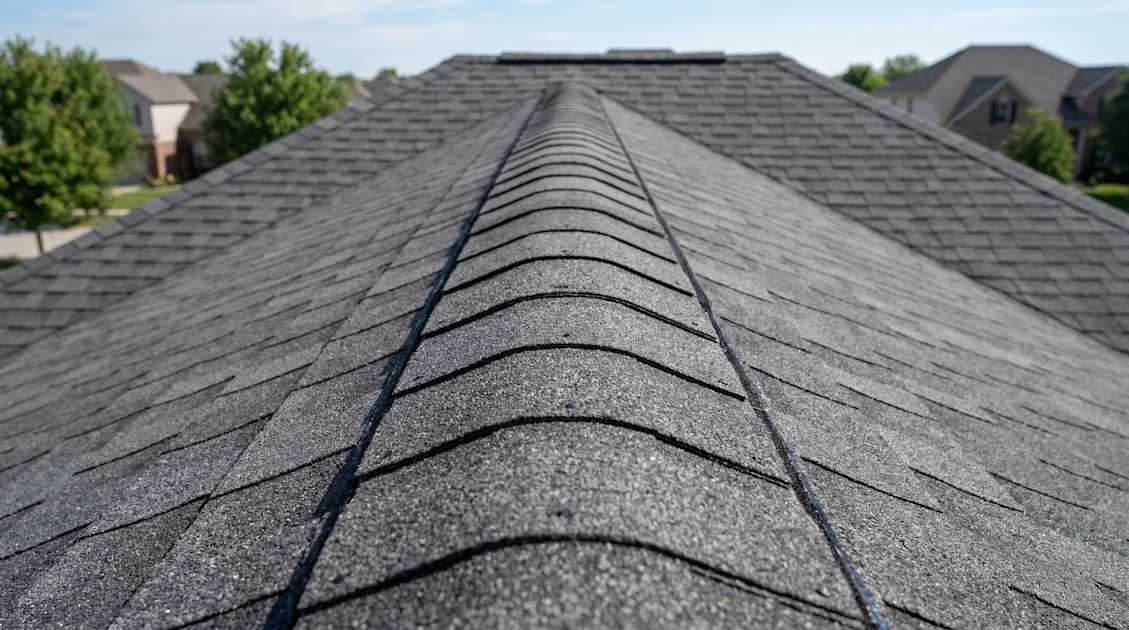
A roof cap is a protective covering installed at the apex of a roof, sealing the edges where two roof surfaces intersect. This component plays a vital role in safeguarding your home from environmental elements like rain, wind, and snow. Roof caps are typically made from the same material as the roof itself, ensuring a seamless look and enhanced durability.
Key Functions of Roof Caps
Understanding the functions of roof caps is essential for appreciating their importance:
- Weather Protection: Roof caps prevent moisture seepage, protecting the roofing materials and the interior of the home from water damage.
- Ventilation Support: They play a role in proper attic ventilation, helping to regulate temperature and humidity levels.
- Structural Integrity: By covering joint seams, roof caps strengthen the roof's overall structure, reducing the risk of wind uplift and other damage.
Types of Roof Caps
When it comes to selecting a roof cap, homeowners have several options tailored to various roofing types and personal preferences. Here are the common types:
- Ridge Caps: Used on gable roofs, these caps consist of materials that sit over the ridge line of the roof.
- Hip Caps: Specifically designed for hip roofs, these caps cover the diagonal intersections.
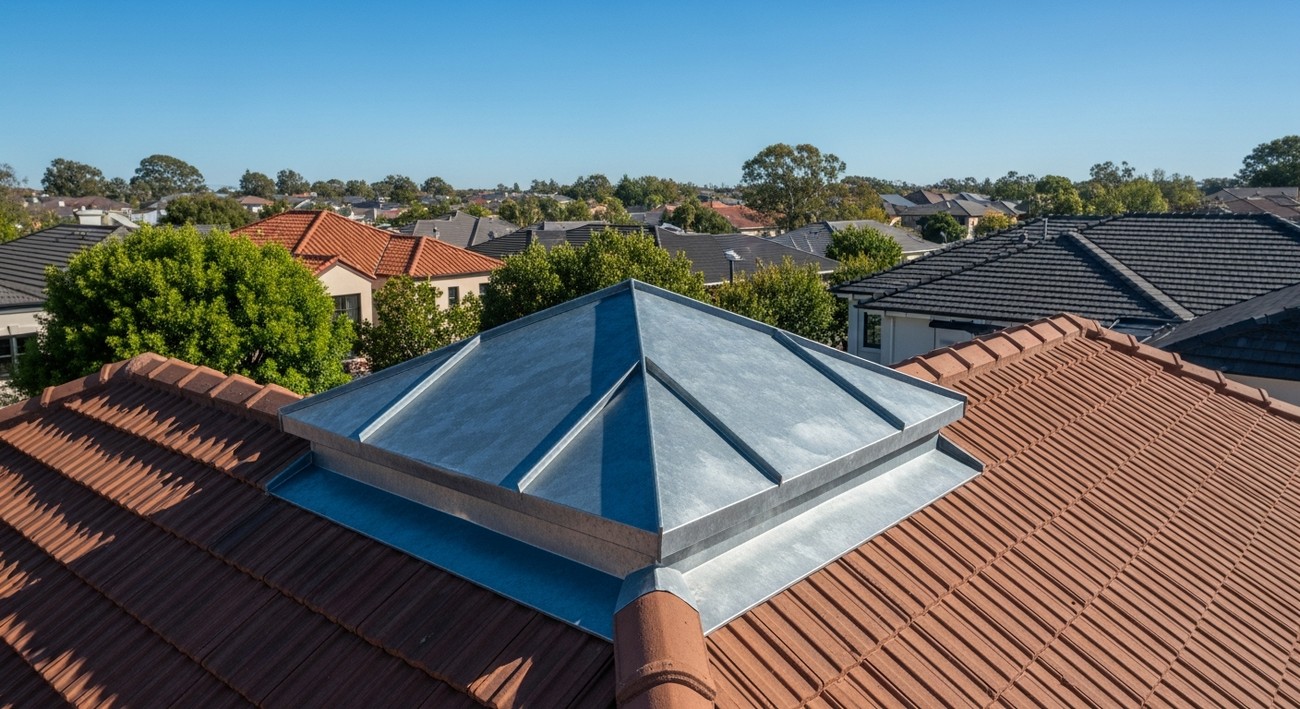
- Standing Seam Metal Roof Caps: Used for metal roofs to create visually appealing, watertight seams.
- Flat Roof Caps: These are designed for low-slope or flat roofs to provide enhanced drainage.
Each cap type serves specific functions and aesthetics, making it important to choose according to your roof's design.
Materials Used for Roof Caps
Selecting the right material for your roof cap is vital for ensuring longevity and performance. Here’s a look at the common materials:
- Asphalt Shingles: These are widely used due to their affordability and ease of installation.
- Metal: Known for its durability and minimal maintenance, metal roof caps are ideal for standing seam roof styles.
- Clay and Concrete Tiles: Though heavier, these materials are admired for their aesthetic appeal and durability.
- Wood: Often used in traditional or historic homes for a classic look. Requires regular maintenance.
Selecting the material should depend on your roof type, climate conditions, and aesthetic preferences.
Installation Process
Proper installation is key to ensuring the roof cap functions correctly. It’s advisable to hire a professional for the job, but understanding the basics can help in overseeing the project:
- Preparation: Begins with inspecting the roof to ensure all materials align properly.
- Placing the Underlayment: A crucial layer that prevents moisture infiltration beneath the roof cap.
- Installing the Cap: The cap is aligned and attached securely over the ridge, hip, or seam.
- Sealing and Finishing: Ensure all edges and joints are sealed for water-tightness and aesthetic finish.
A poorly installed roof cap can lead to water leaks and compromised roof integrity, making professional installation a wise choice.
Maintenance Tips for Longevity
Once installed, regular maintenance of your roof cap is essential to prolong its lifespan. Here’s how you can keep your roof cap in top shape:
- Regular Inspections: Check for loose or damaged caps especially after storms.
- Debris Removal: Ensure no debris or leaves accumulate around the roof cap, which can lead to mold formation.
- Address Repairs Promptly: Even small cracks or displacements should be addressed quickly to avoid more significant issues.
These regular checks can prevent costly repairs and prolong the lifespan of both your roof cap and the entire roofing system.
Choosing the Right Roof Cap
Selecting the perfect roof cap can seem daunting, given the variety of choices. Here are some tips to help you decide:
- Consider Your Roof Style: Match your roof cap to your roofing materials for a cohesive look.
- Local Climate: In windy or extreme weather areas, prioritize durable materials like metal or concrete.
- Aesthetics: Choose a color and design that complements your home style.
- Budget: While cost is an important factor, consider the long-term benefits of investing in high-quality materials.
Arming yourself with this knowledge can help in making a well-informed decision.
Frequently Asked Questions About Roof Cap
How does a roof cap function?
A roof cap plays a crucial role in protecting your home by sealing the top of the roof vent system. Its primary function is to prevent rain, snow, and debris from entering the vent pipes while allowing proper ventilation through the attic and roof system. By covering these openings, the roof cap ensures that air can escape from the building while keeping unwanted elements out. This helps to regulate the temperature and moisture levels in your attic, thereby extending the life of your roof.
What materials are commonly used for roof caps?
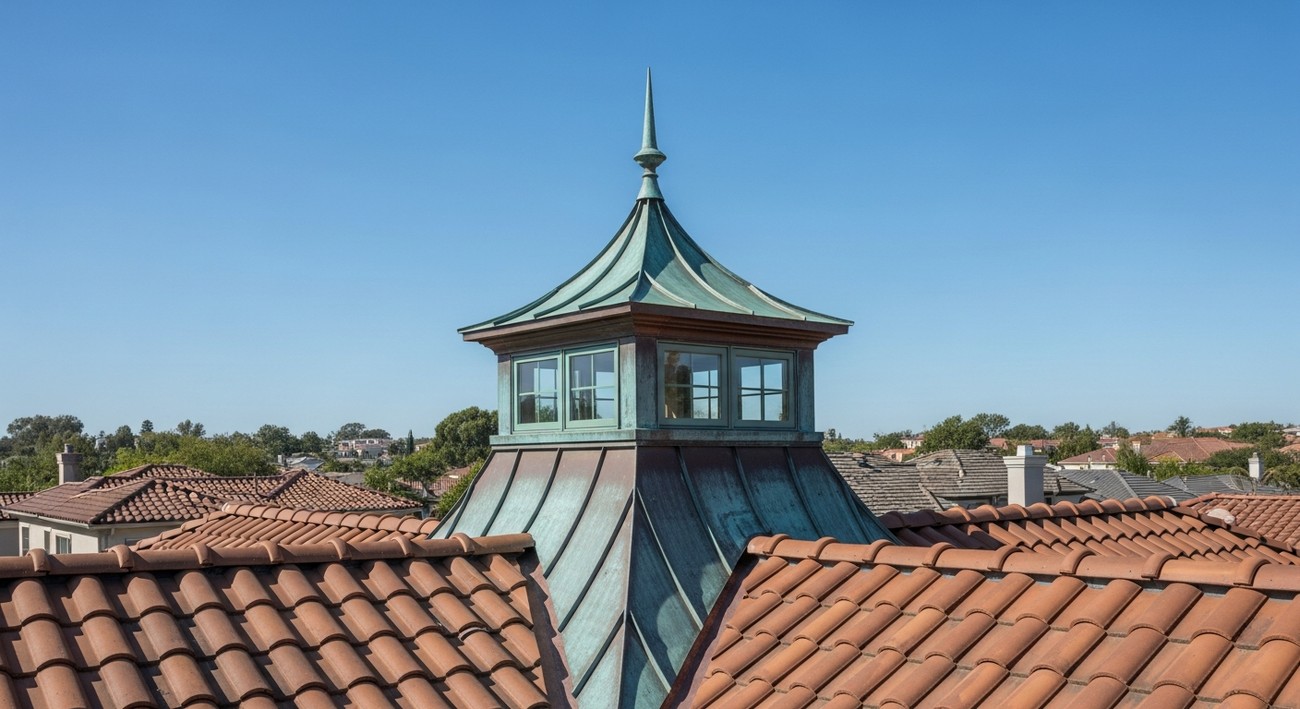
Roof caps come in a variety of materials, each offering distinct advantages. Common materials include galvanized steel, aluminum, copper, and high-quality plastics. Galvanized steel is known for its durability and resistance to rust, making it a popular choice for many homeowners. Aluminum roof caps are lightweight and resist corrosion effectively. Copper roof caps, although more expensive, provide a classic look and excellent longevity. Lastly, plastic roof caps are affordable and can be designed to mimic other materials, though they generally offer less durability over time.
Is a roof cap necessary for all types of roofs?
While not all roofs are equipped with a roof cap, it is a vital component for those with a vented system. Homes with ridge vents or other styles of ventilation typically require a roof cap to ensure proper airflow and protection from the elements. Roofs without adequate ventilation can lead to increased moisture buildup, which can cause mold, structural damage, or reduced efficiency of the HVAC system. Therefore, even though it might seem like a minor detail, a roof cap is essential for maintaining the health of the roof and the overall home environment.
Can roof caps improve energy efficiency in a home?
Yes, roof caps can contribute to improved energy efficiency by ensuring that your attic and roof ventilation systems are functioning correctly. By allowing hot, stale air to escape and preventing moisture buildup, roof caps help maintain a consistent indoor temperature. This reduces the load on your heating and cooling systems, potentially lowering your energy bills. A properly installed roof cap ensures that the attic space remains well-ventilated, aiding in the insulation of the home and preventing temperature extremes.
How do you determine the right size of a roof cap?
Selecting the correct size of a roof cap depends on the dimensions of the vent it will cover. It's crucial to measure the width and height of your vent to ensure a proper fit. Most manufacturers provide size guidelines, making it simpler to match the cap size to your specific vent dimensions. A cap that is too small won't adequately cover the vent, while one that's too large might not secure correctly, leading to potential leaks or inefficiency in air regulation. Consulting with roofing professionals or referring to product specifications can help you choose the most suitable roof cap size.
What maintenance is required for roof caps?
Roof caps require minimal maintenance but should be inspected periodically to ensure they are functioning as expected. Regular inspections should focus on checking for any signs of damage, rust, or wear that could compromise the seal. Cleaning the roof cap to remove any built-up debris is also recommended to ensure unrestricted airflow. If you notice any issues such as gaps or cracks in the cap material, it's crucial to address them promptly to prevent water ingress or pest issues. A little routine maintenance goes a long way in maximizing the lifespan and performance of your roof cap.
How long do roof caps typically last?
The lifespan of a roof cap largely depends on the material and the environmental conditions it is exposed to. Metal roof caps such as those made from galvanized steel or copper can last several decades, often outliving the rest of the roofing system if properly maintained. Aluminum roof caps offer a decent lifespan though slightly less durable than their steel counterparts. Plastic caps typically last around 10-20 years before they begin to degrade due to UV exposure or mechanical wear. Regardless of material, routine maintenance and regular inspections can help extend the life of your roof cap.
Are roof caps effective in extreme weather conditions?
Roof caps are designed to withstand a variety of weather conditions, but their effectiveness can depend on their material and installation quality. Metal roof caps are generally very resistant to extreme weather, providing excellent protection against rain, snow, wind, and heat. Copper and steel caps, in particular, are known for their ability to resist corrosion and withstand harsh conditions over many years. It's essential to ensure that the roof cap is securely fastened and that all seals are intact to maintain performance during extreme weather. Proper installation and maintenance can greatly enhance a roof cap's ability to protect your home in any climate.
How much does it cost to install a roof cap?
The cost of installing a roof cap varies based on factors such as the material choice, complexity of the roof design, and regional labor costs. Generally, the price range for roof caps can be anywhere from $50 to $300 for the cap itself, with installation costs typically adding another $100 to $200 depending on the job's difficulty. Copper roof caps tend to be more expensive due to material costs. While some homeowners may tackle installation as a DIY project, it is often recommended to employ a professional roofer to ensure proper fit and function, adding assurance that the roof cap will perform optimally.
Can roof caps prevent animal intrusion?
Yes, roof caps can help deter animals from entering your roofing system by securely covering vent openings. By creating a solid barrier, they prevent birds, rodents, and insects from making a home or causing damage within the vent pipes. Metal roof caps, in particular, provide a durable shield against animal intrusion. However, ensuring that the roof cap is correctly installed without gaps or weak points is essential to keep animals out effectively. Additionally, maintaining the roof cap and surrounding area free of loose debris and foliage can further help in keeping pests at bay.
What are the signs that a roof cap needs replacement?
Some signs indicating that a roof cap may need replacement include visible rust or corrosion, physical cracks, persistent leaks during rain, or noticeable drafts in the attic space. If the roof cap has been dislodged or is missing due to severe weather, immediate replacement is necessary to prevent potential water or pest ingress issues. Other signs include increased indoor humidity levels or unexplained increases in energy bills, signaling that the roof cap may not be functioning effectively. Routine inspections can help catch these issues early, allowing for timely replacements and continued roof protection.
Weighing the Pros and Cons of Roof Caps
Pros
Protects Against Weather Elements
Imagine a stormy night. A good roof cap acts as a guardian, preventing rain, snow, and debris from invading through vents or openings. It's like having a little superhero at the peak of your roof, battling harsh weather conditions and keeping your home safe and dry.
Enhances Ventilation
Think of your home as needing to breathe just like you do. A well-designed roof cap allows for smooth airflow in your attic or roof space. It helps to reduce moisture and prevent mold growth, making your home healthier and your air fresher.
Energy Efficiency
Have you ever seen a spike in your energy bills during those hot summer months? A roof cap can help by improving ventilation, thus reducing the strain on your air conditioning system. By maintaining a more stable indoor temperature, you could find your energy costs dropping, which is always a nice surprise.
Extends Roof Life
Wouldn't it be great if your roof lasted a little longer? By keeping elements like rain and debris out, roof caps prevent potential damage to underlying materials. This longevity means fewer repairs and replacements in the future, saving you money and reducing stress over time.
Aesthetically Pleasing
Everyone wants their house to look good from the curb. Roof caps are available in various styles and finishes, adding a touch of style to your roofline. Whether you prefer something subtle or a bit more striking, there's likely a roof cap design that fits your aesthetic.
Cons
Cost
Let's talk dollars and cents. Installing a roof cap can sometimes be expensive, especially if you opt for high-quality materials or professional installation. While it's an investment in your home, the upfront cost can be a hurdle for some budgets.
Maintenance Requirements
Roof caps aren't entirely set-it-and-forget-it. Like parts of your home, they require regular maintenance to work effectively. Cleaning out debris, inspecting for damage, and ensuring proper seal and fit are tasks that will end up on your to-do list more than once.
Installation Challenges
Not everyone is a DIY enthusiast, and installing a roof cap can be quite the challenge for the inexperienced. Incorrect installation could lead to issues like leaks or ineffective ventilation. This often calls for professional help—which, you guessed it, adds to the cost.
Potential for Leakage
The very thing that's supposed to keep the rain out can sometimes let it in if it's not installed correctly. Poor installation or a deteriorating seal can lead to leaks, which may damage your roof and interior spaces. It's crucial to ensure proper fitting and maintenance to prevent this.
Limited Lifespan of Materials
Even the best roof caps won't last forever. Exposure to weather elements can speed up wear and tear, leading to more frequent replacements than you might expect. Depending on the material—the lifespan can vary, which might not align with every homeowner's long-term plans.
Final Thoughts
Investing in a quality roof cap is essential for maintaining your home’s energy efficiency and preventing moisture issues. It acts as a safeguard against the elements while enhancing the overall aesthetics of your roof. Whether you’re looking to replace an old roof cap or install a new one, understanding its importance can go a long way in preserving your home’s health and value.
If you’re considering a roof cap project, we’re here to help. At US Quality Construction of Lexington, we specialize in providing tailored solutions that meet the unique needs of homeowners in Lexington, KY. Reach out to us to schedule a consultation or request a free estimate. Let’s ensure your roof is in top shape together!
Tags: roof, cap, roofing,