

In the world of construction and interior design, choosing the right materials is crucial to the success of any project. One such material that has been gaining significant attention is PVC board. This versatile material offers a range of benefits, making it a preferred choice for many professionals and DIY enthusiasts. In this extensive guide, we'll dive deep into what PVC board is, its applications, benefits, and more. Let's explore why PVC board could be the ideal material for your next project.
What is PVC Board?
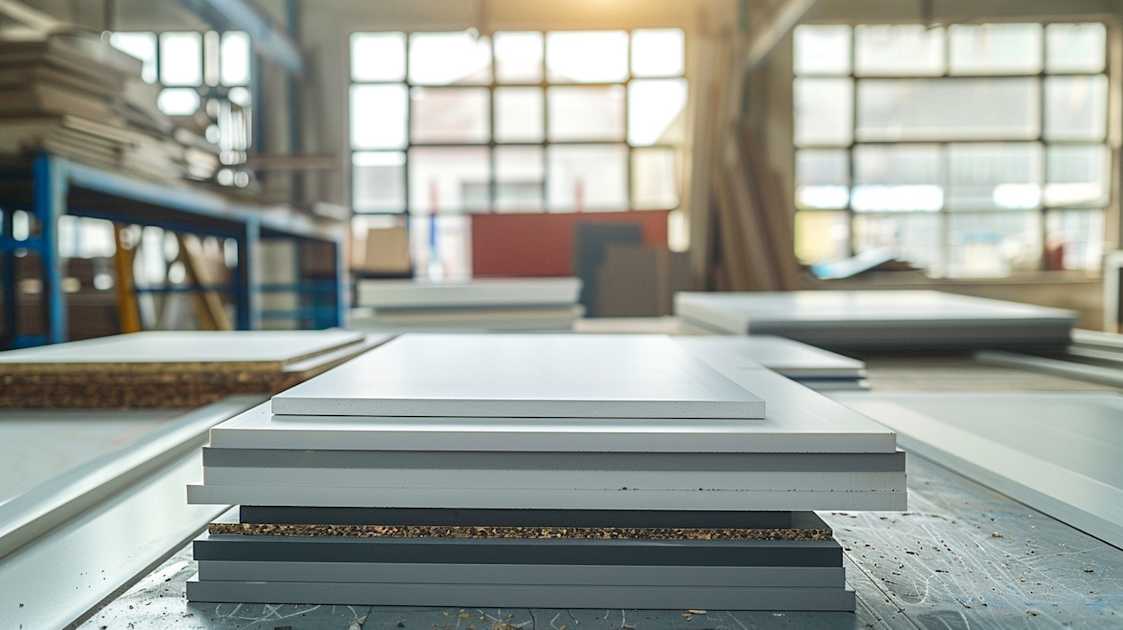
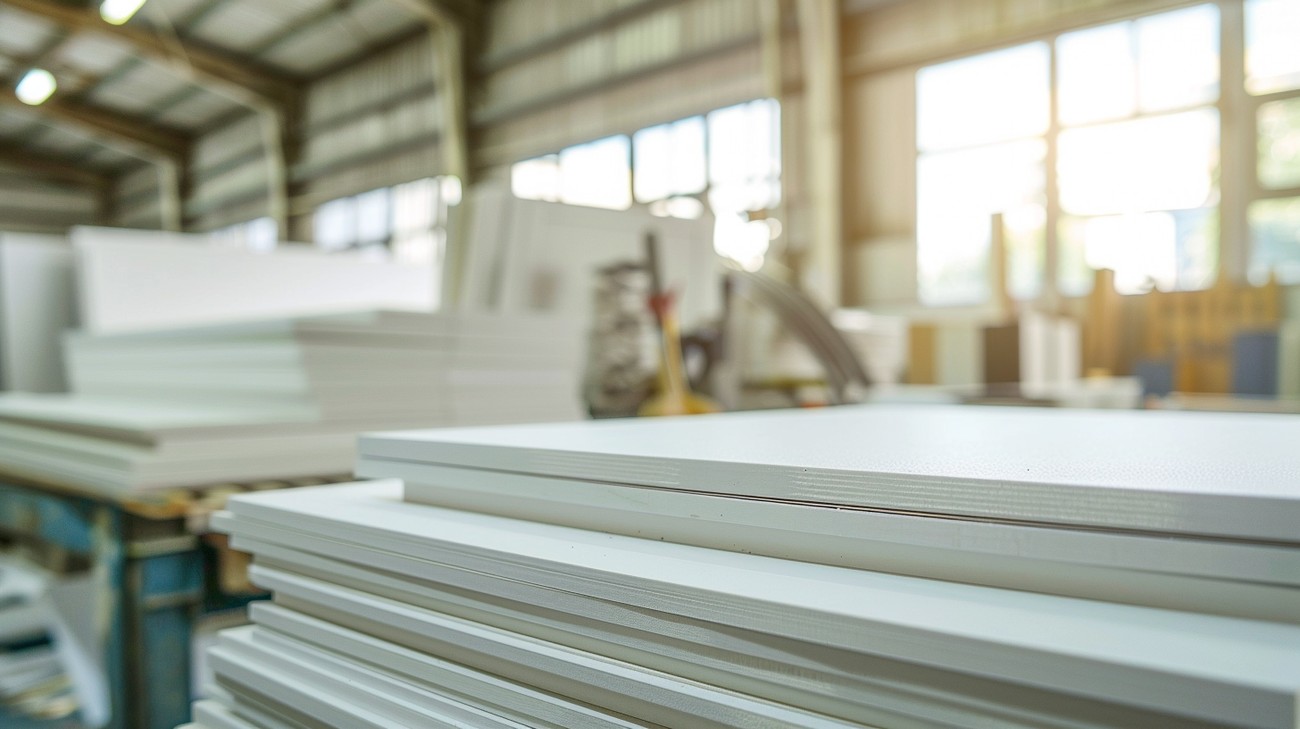
PVC (Polyvinyl Chloride) board, also known as foam board, is a rigid, durable material made from polyvinyl chloride. It comes in various thicknesses and sizes, catering to a diverse range of applications. PVC board is manufactured by combining polymer resins with other materials, creating a lightweight yet strong product. It's known for its versatile application potential, often used in construction, advertising, and crafting.
Applications of PVC Board
PVC board's unique properties make it suitable for numerous applications. Let's explore some of the most common uses:
Construction and Building
- Interior and Exterior Cladding: PVC boards are excellent for cladding applications, offering weather resistance and durability.
- False Ceilings: Lightweight and easy to install, they are perfect for creating attractive false ceilings.
- Partitions and Wall Panels: PVC board serves as an effective alternative to wood or drywall for creating partitions or wall panels.
Advertising and Signage
- Point of Sale Displays: PVC boards are a popular choice for creating eye-catching retail displays.
- Outdoor Signs: Their resistance to weather conditions makes them ideal for long-lasting outdoor signs.
- Trade Show Booths: Easy to transport and assemble, making them perfect for temporary exhibits.
Interior Design and Home Improvement
- Cabinetry and Furniture: Used in fabricating water-resistant kitchen and bathroom cabinets.
- Wall Art and Decor: Ideal for crafting custom wall decor and artistic installations.
- Shelving: Lightweight with high load capacity, suitable for home or office shelving units.
Benefits of Using PVC Board
PVC board comes packed with numerous advantages that make it a go-to material. Here's why you might consider it for your projects:
Durability and Longevity
PVC boards are incredibly durable, withstanding impacts, weather changes, and general wear and tear better than many alternative materials. Their longevity makes them an excellent investment for projects that require lasting results.
Water and Chemical Resistance
One of the standout properties of PVC board is its resistance to water and chemicals. This makes it an ideal choice for areas prone to moisture, such as bathrooms or kitchens. Additionally, its chemical resistance makes it suitable for industrial applications where exposure to harsh substances is common.
Lightweight Yet Strong
Despite its lightweight nature, PVC board is remarkably strong, capable of supporting significant weight without bending or buckling. This characteristic allows for easy handling and installation without compromising on strength.
Ease of Installation
PVC boards are simple to cut, shape, and fasten, making them highly user-friendly. This ease of installation reduces labor costs and allows DIY enthusiasts to tackle projects with confidence.
Choosing the Right PVC Board
When selecting a PVC board, it's essential to consider specific criteria to ensure suitability for your project. Here's what you need to know:
Thickness and Sizes
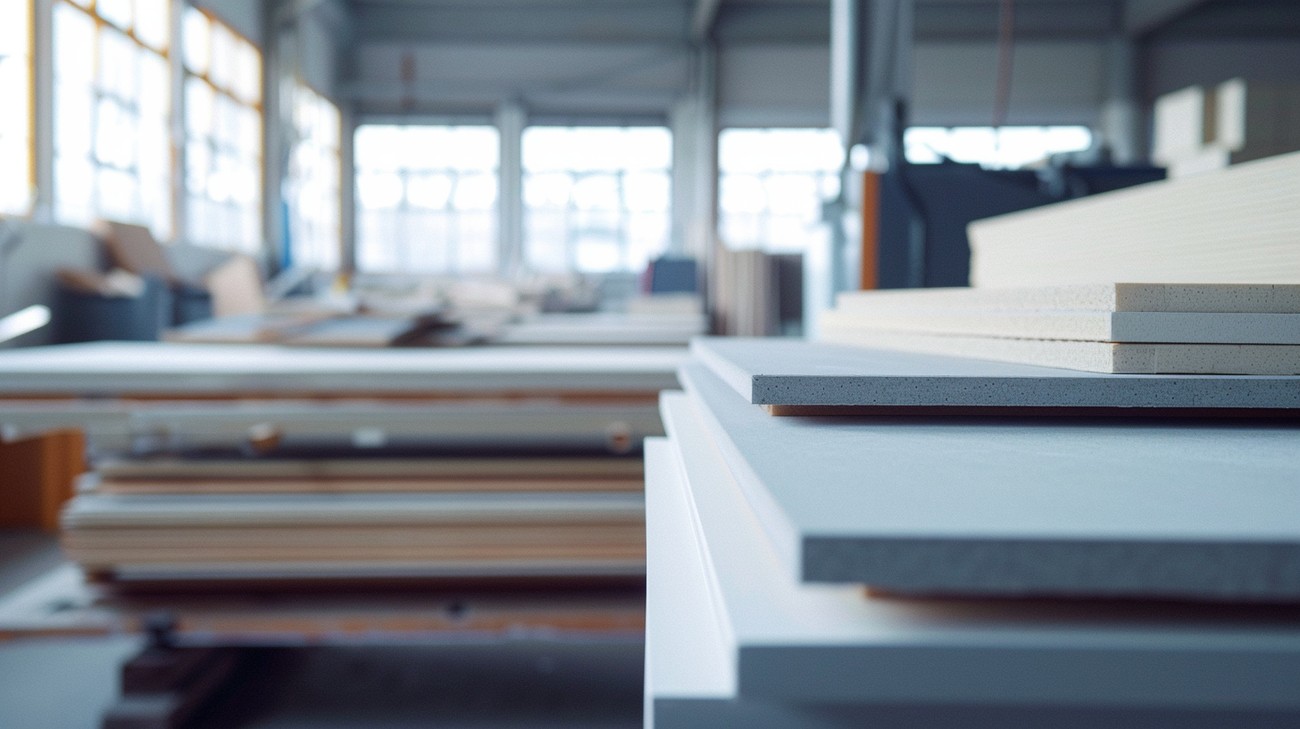
PVC boards are available in various thicknesses, typically ranging from 1mm to 25mm. The choice of thickness depends on the intended application. For example:
- Thin Boards (1-3mm): Better for signage and crafts.
- Medium Boards (3-10mm): Ideal for interior applications like partitions or cladding.
- Thick Boards (10-25mm): Suitable for construction uses, cabinetry, and durable applications.
Surface Finish
PVC boards come with either a smooth or textured finish. For aesthetic purposes, the choice of finish can affect the look and feel of the final application. For example:
- Smooth Finish: Preferred for printing and graphics applications due to better adhesion for inks.
- Textured Finish: Useful for slip-resistant surfaces or decorative purposes.
Color and Aesthetic Options
PVC boards are available in a wide range of colors, catering to specific design requirements. Standard white is popular due to its clean, modern look, but custom colors can help achieve unique aesthetics.
Maintenance and Care
While PVC boards are low maintenance, some care can extend their lifespan even further. Here are a few tips:
- Regular Cleaning: Use a mild detergent and water solution to clean the surface, avoiding harsh chemicals that could damage the material.
- Avoid Direct Heat: While PVC is heat resistant to a point, excessive exposure can cause warping or discoloration.
- Prompt Repairs: Address any physical damage promptly to prevent further deterioration or functional issues.
Environmentally Friendly Aspects
In recent years, the environmental impact of construction materials has become a critical consideration. PVC boards rank favorably due to:
- Low Resource Consumption: They're resource-efficient, consuming fewer raw materials than traditional options like wood.
- Recyclability: PVC boards are recyclable, contributing to sustainability efforts by reducing landfill waste.
FAQ Section About PVC Board
How is PVC board different from traditional wood?
PVC board stands out significantly compared to traditional wood. PVC, which stands for polyvinyl chloride, is a type of plastic that offers several distinct advantages, such as being water-resistant and not warping, rotting, or attracting termites like wood. Unlike wood, PVC board requires minimal maintenance, doesn't need painting or sealing, and withstands harsh weather environments. Furthermore, its lightweight nature makes it easier to handle during installation projects, offering both durability and flexibility that wood may not provide.
Can PVC board be used outdoors?
Absolutely, PVC board is well-suited for outdoor use. Its inherent water and weather resistance make it an excellent choice for various external applications. Whether you’re constructing exterior trims, decks, or outdoor furniture, PVC board can endure the elements without succumbing to the common problems that wood might face, such as rot, mold, and mildew. Its ability to withstand UV rays without significant degradation adds to its appeal, ensuring that any outdoor structure retains its look and structural integrity for a long time.
Is PVC board environmentally friendly?
PVC board does have an environmental impact, but it’s relatively eco-friendly compared to certain other materials. PVC can be recycled, and many manufacturers are adopting sustainable practices by recycling scrap PVC back into production processes. While it's derived from petrochemicals, the longevity and durability of PVC board can contribute to reduced resource consumption over a building’s lifecycle. Always check if a manufacturer uses recycled materials in their PVC products to make a more environmentally conscious choice.
What are the typical uses of PVC board?
PVC board has a broad range of applications due to its versatility and durability. In construction, it's often used for things like ceiling panels, wall cladding, and window sills. It’s also a popular choice in the advertising industry for signage due to its smooth, printable surface. Additionally, PVC is frequently used for bathroom and kitchen cabinetry, as it resists moisture and maintains its appearance over time. Artists and hobbyists may also use PVC board for crafts, given its ease of cutting and shaping.
Does PVC board come in different colors and finishes?
Yes, PVC board is available in a wide array of colors and finishes to suit various aesthetic preferences. Manufacturers offer both matte and glossy finishes, along with an assortment of colors ranging from basic whites and blacks to vibrant hues and even wood grain patterns. This variety allows designers and homeowners to customize their projects, achieving the exact look they desire without compromising on the benefits of using PVC as a material.
Can I paint PVC board if I want to change its color?
You can paint PVC board if you wish to change its color, although it isn't necessary due to the wide variety of pre-colored options available. When painting, it's important to use paint designed for plastics, usually a special formulation like an acrylic latex paint. Before painting, you should clean the board thoroughly and sand it lightly to allow the paint to adhere properly. Priming the surface can also enhance paint adhesion, ensuring a smooth and lasting finish.
How do you install PVC board?
Installing PVC board is quite similar to working with wood, which makes it accessible for DIY enthusiasts and professionals alike. The board can be easily cut with standard woodworking tools, such as saws and drills. To secure it to your desired surface, you can use standard fasteners like screws or nails, ensuring they are suitable for plastic to prevent any damage. For exterior applications, utilizing weather-resistant hardware is recommended to maintain the structural integrity of your installation.
Is PVC board safe to use inside the home?
PVC board is generally safe for indoor use, as it doesn’t emit harmful toxins under normal use conditions. Make sure to use PVC boards made from quality materials and compliant with safety standards. Its water resistance makes it ideal for moisture-prone areas like bathrooms and kitchens. However, during cutting or installing, it’s advisable to work in well-ventilated areas or use safety masks to avoid inhaling any dust particles that might be released during the process.
How does the cost of PVC board compare to other materials?
PVC board can vary in cost, often falling in the mid-range when compared to materials like wood or metals. It tends to be more expensive than MDF or particleboard, but it offers better durability, longevity, and resistance to elements without ongoing maintenance costs such as painting or sealing. Considering these factors, PVC board can be a cost-effective option in the long term, providing significant savings on maintenance while also offering a robust solution for many applications.
Pros and Cons of PVC Board
Pros
Durability and Strength
PVC board is like the tough cookie of the building materials world. Its composition of polyvinyl chloride gives it excellent durability, making it resistant to weathering, corrosion, and even impacts. So, if you’re in an area prone to harsh conditions, PVC boards can take a beating and still stand strong.
Water Resistance
Got water issues? PVC board laughs in the face of water damage. It’s inherently resistant to moisture and won’t warp or swell when exposed to water. This makes it a brilliant choice for bathrooms, kitchens, or any other moisture-prone areas.
Low Maintenance
Not a fan of regular maintenance? PVC board is your friend. A quick wipe with a damp cloth usually does the trick to clean it, thanks to its non-porous surface. No need for special cleaners or treatments. Just simplicity at its finest.
Lightweight
PVC board’s lightweight nature makes it an absolute gem to work with. Installation becomes a breeze, whether you’re handling it yourself or hiring someone else. Plus, it reduces the need for heavy-duty supports, which can simplify and lower the cost of construction.
Versatility of Use
This material is like the Swiss Army knife of boards. You can use it for cabinetry, signage, interior trims, or even outdoor applications. Its adaptability is only limited by your creativity, so feel free to let your imagination run wild!
Fire Retardant
Safety first, right? PVC board has fire-retardant properties, meaning it doesn’t catch fire easily and is capable of self-extinguishing. This quality provides some extra peace of mind, especially in settings where fire risk is a concern.
Cost-Effectiveness
When it comes to budget-friendly options, PVC board often fits the bill. It’s generally more affordable compared to wood or other traditional materials, making it a cost-effective solution for large projects without sacrificing quality or utility.
Environmentally Friendly Options
Many PVC boards on the market are now produced with a focus on sustainability, being recyclable or made from recycled materials. If eco-friendliness is high on your list, you can find options that align with green building practices without compromising on performance.
Cons
Sensitive to Heat
While PVC board is great at resisting water and many other challenges, heat is not its best friend. Prolonged exposure to high temperatures can cause it to warp or fade. If you’re in a super sunny climate, think about potential heat exposure before choosing PVC board for outdoor use.
Appearance Limitations
Sure, PVC board is versatile, but it’s not going to win any style awards against natural wood grain or rich stone finishes. Some people find the aesthetic a bit artificial or lacking warmth, which might not suit everyone’s taste when aiming for a particular look and feel in spaces.
Potential for Toxicity
PVC production involves chlorine, and there are concerns around the release of volatile organic compounds (VOCs) or other chemical emissions, particularly if the boards are of a lower quality. Ensuring your PVC board is certified as safe and low in harmful emissions is crucial.
Challenges with Painting and Finishing
Painting PVC board calls for special preparation. Regular paints might not adhere well, so you’ll need to prime the surface with specific materials designed for PVC. This can add another step to your project, which, if you’re hopping to a quick fix, might feel like a hassle.
Limited Structural Use
Despite its strength in certain applications, PVC board isn’t suitable for all structural needs. If you're looking at heavy load-bearing requirements, you’ll need to rely on more robust materials alongside your PVC to achieve the necessary support.
Final Thoughts
When considering materials for your next project, the benefits of a pvc board stand out, especially if you're looking for durability and ease of maintenance. Whether you're planning a home renovation or constructing something new, this versatile option can offer lasting solutions that stand up to the elements and day-to-day wear.
At US Quality Construction of Lexington, we’re here to help homeowners in Lexington, KY, unlock the potential of pvc board in their projects. If you're curious about how it can enhance your space or have questions about installation, we invite you to reach out to us. Let’s discuss your ideas and see how we can bring them to life together. Contact us today for a consultation or to request a free estimate—you'll be glad you did!
Tags: plastic, building material, signage,