
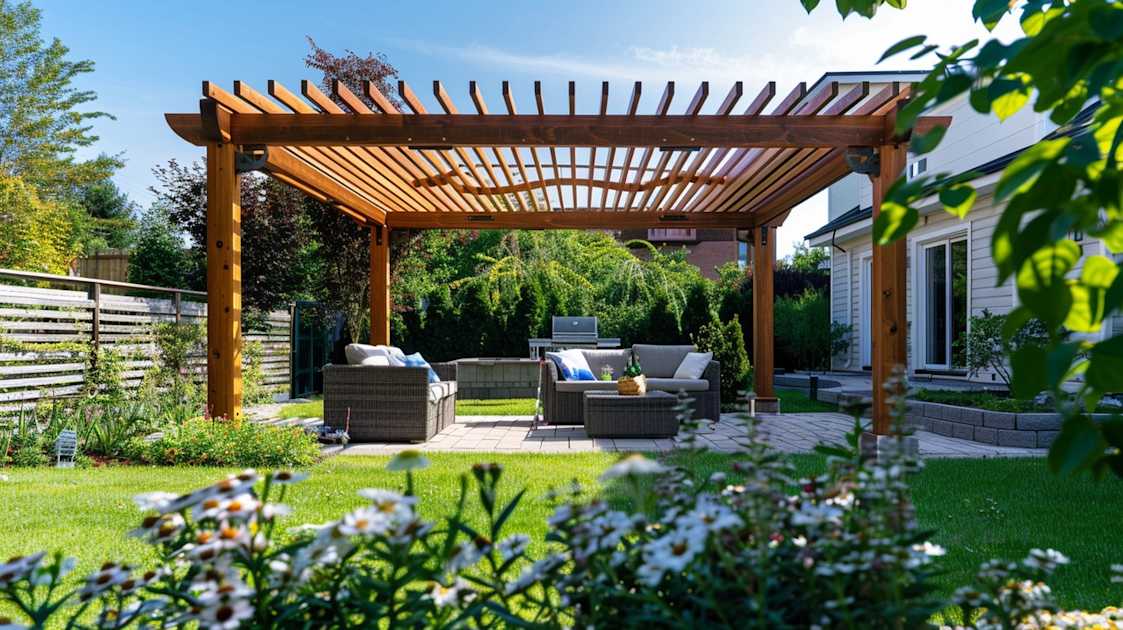


Pergolas are an incredible addition to any garden or yard, providing both style and function. They offer a picturesque way to escape the sun, support climbing plants, and create an inviting outdoor living environment. Whether you're looking to add value to your home or create a backyard retreat, installing a pergola can be a fulfilling project. In this comprehensive guide, we'll dive deep into every aspect of pergola installation to help ensure your success.
Understanding Pergolas
What is a Pergola?
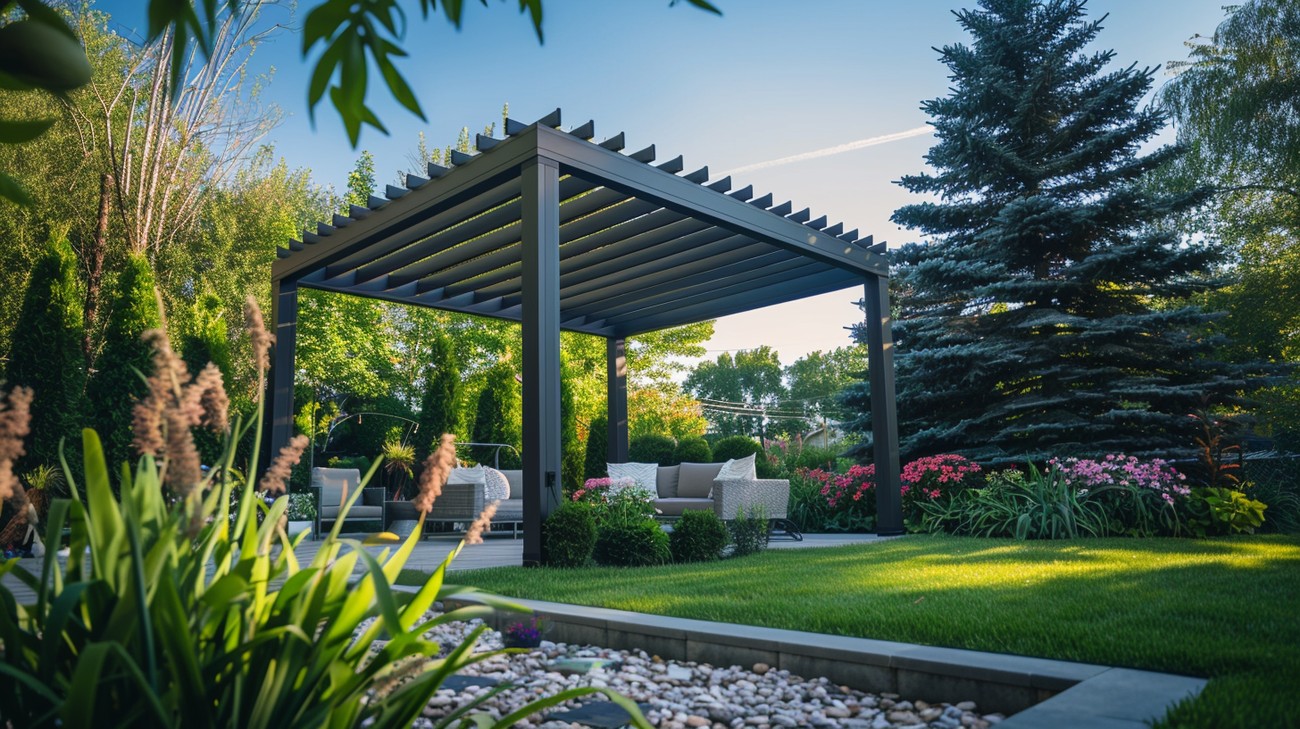
A pergola is an outdoor structure made primarily of vertical posts that support cross-beams and an open lattice. Unlike gazebos or roofs, pergolas maintain a more open feel, allowing sunlight to filter through while providing partial shade. This structure is ideal for gardens, patios, and decks, serving as a flexible space for dining, relaxation, or entertaining guests.
Benefits of a Pergola
- Aesthetic Appeal: Enhances the visual appeal of any garden or yard with its elegant design.
- Shade and Comfort: Offers partial shade, making it perfect for relaxing or outdoor gatherings.
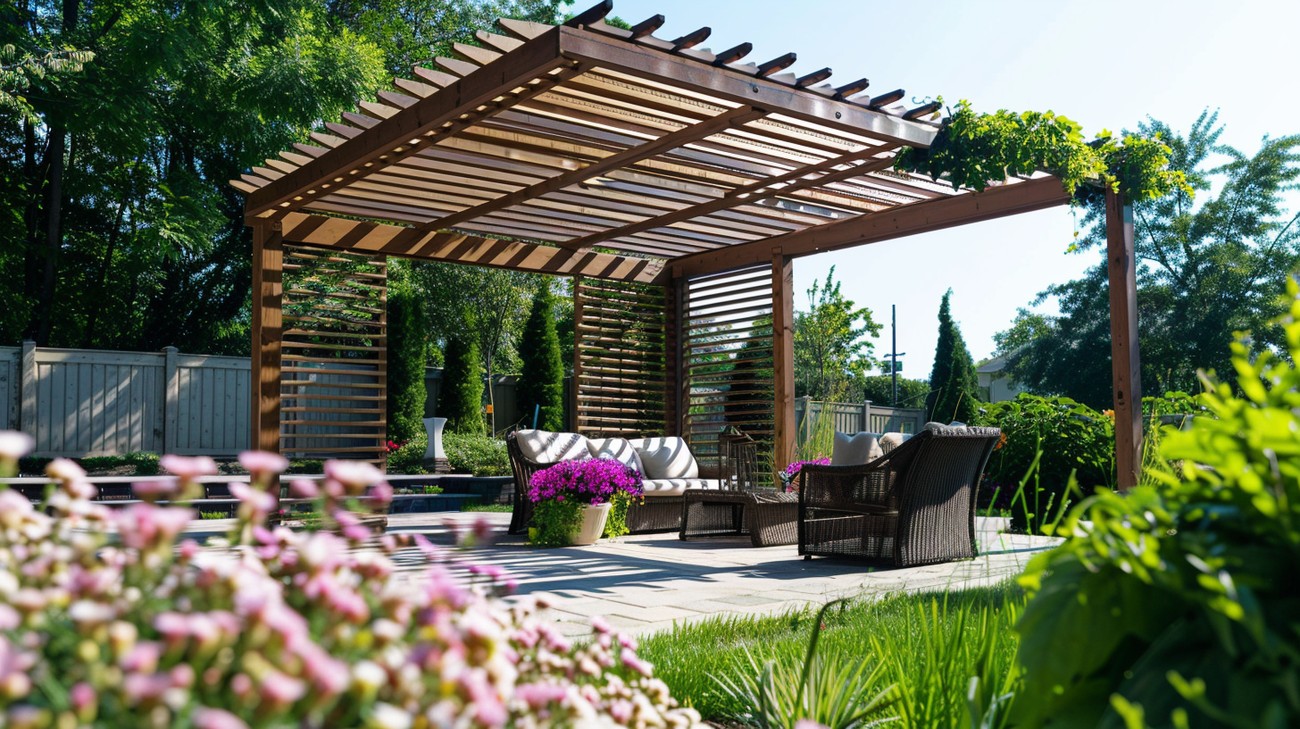
- Versatility: Can support climbing plants like wisteria or jasmine to improve ambiance.
- Value Addition: Increases property value and the usability of outdoor spaces.
- Customizable: Available in a variety of materials, styles, and sizes to suit any preference.
Choosing the Right Pergola
Selecting the Material
Picking the right material is crucial to ensuring the longevity and aesthetic appeal of your pergola.
- Wood: Cedar and redwood are popular choices for their natural beauty and resistance to decay.
- Vinyl: Low-maintenance and long-lasting, although it generally comes in fewer color options.
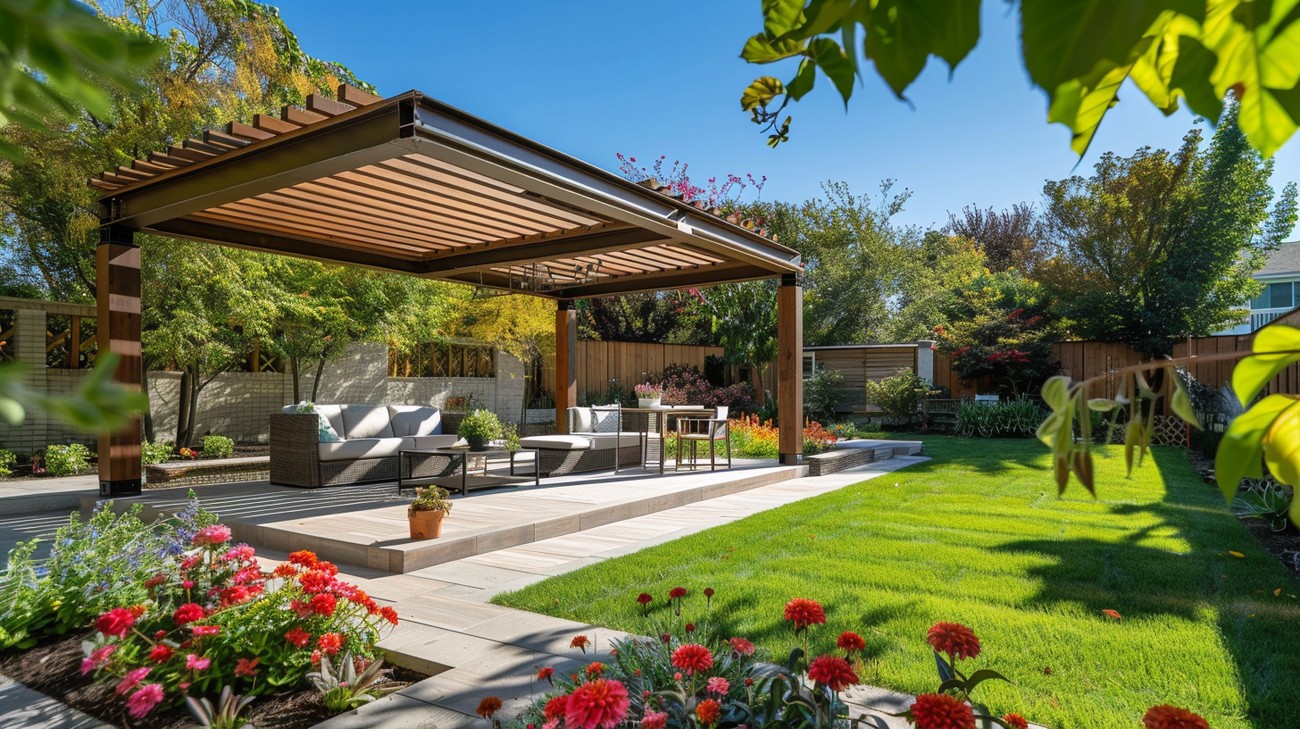
- Aluminum: Offers modern looks, is easy to maintain, and is weather-resistant.
Picking the Right Style
The style of your pergola should complement your home and surrounding environment.
- Traditional: Features curved rafters and ornate woodwork, ideal for classic homes.
- Contemporary: Characterized by clean lines and minimalist design, perfect for modern settings.
- Rustic: Incorporates natural, unfinished wood and is great for a countryside feel.
Size Matters
Understanding the dimensions of your outdoor space is pivotal to picking the right size for your pergola. A pergola that is too small may look disproportionate, while one that's too large may overwhelm your outdoor area.
Site Preparation
Tools and Materials Needed
Before starting, gather all the necessary tools and materials. Here’s a quick checklist:
- Measuring tape
- Shovel and post hole digger
- Level
- Drill and screws
- Ladder
- Concretes and mixers
Location Considerations
Choosing the perfect location is critical. Consider the sun’s path, proximity to the house, and purpose of the pergola. A strategically placed pergola provides the perfect mix of shade and sun throughout the day.
Permits and Regulations
Check local building codes and homeowner association rules. Some areas require permits, especially for structures that affect property lines or are above a certain height.
Pergola Installation Steps
Site Marking and Post Holes
- Mark the Area: Use string and stakes to outline the pergola dimensions.
- Dig Post Holes: Dig holes deep enough to accommodate your area’s frost line, usually around 12-24 inches deep.
Setting the Posts
- Concrete Filling: Pour concrete mix into the holes to secure the posts.
- Positioning Posts: Place the posts vertically into the concrete; use a level to ensure they are straight.
Installing the Crossbeams
- Measuring and Cutting: Measure and cut beams to size.
- Securing: Attach the crossbeams to the posts using a drill and screws. Ensure they are level before securing.
Adding the Lattice
- Lattice Placement: Position the lattice strips across the crossbeams based on your design preference for sun exposure.
- Fastening: Secure them using screwdrivers, ensuring equal spacing for an aesthetically pleasing finish.
Maintenance and Care
Regular Inspection
To ensure the longevity of your pergola, perform regular inspections for signs of wear or damage, such as wood-rot or rust.
Cleaning
Keep your pergola free from dirt and algae by cleaning it at least once a year. Use a mixture of soap and water or appropriate cleaning agents depending on the material.
Staining and Sealing
For wooden pergolas, consider staining or sealing every few years to maintain their color and protect them from the elements.
Frequently Asked Questions about Pergola Installation
How do I prepare for pergola installation?
Preparing for pergola installation involves several steps to ensure a smooth process. Start by selecting a suitable location that combines aesthetic appeal with functional use. Check for any local building codes or permits required for construction. Gather all the necessary tools and materials before beginning installation. Make sure to clear the area of debris, and ensure the ground is level for a sturdy foundation. Taking these steps will streamline your pergola installation and avoid unnecessary delays.
Can pergolas be installed on uneven ground?
Yes, pergolas can be installed on uneven ground, but it requires additional preparation. To achieve a level installation, you first need to level the posts. This may involve digging deeper in some areas, using post mounts with adjustable heights, or pouring concrete footings to level the structure. Ensuring a stable and even base is critical for the longevity and safety of your pergola installation on uneven terrain.
What materials are best for pergola installation?
Choosing the best materials depends on your preferences in terms of aesthetics, durability, and maintenance. Common materials for pergola installation include wood, vinyl, and aluminum. Wood provides a classic, natural look but requires regular maintenance to prevent decay. Vinyl offers low maintenance and a clean appearance, but less customization. Aluminum is lightweight and durable, ideal for weather resistance, yet often more expensive. Each material has its unique benefits and considerations for pergola installation.
How long does pergola installation typically take?
The duration of pergola installation can vary based on the size and complexity of the design, as well as the materials used. Generally, a simple pergola installation might take a few days, while a larger, more intricate structure could require a week or more. If you are experienced with DIY projects, you could complete the installation more quickly, whereas hiring professionals will speed up the process due to their expertise with pergola installation.
Should I hire a professional for pergola installation or do it myself?
Whether to hire a professional or undertake a DIY project depends on your skill level and the complexity of the pergola installation. If you have carpentry experience and prefer a hands-on approach, you might enjoy tackling the installation yourself. However, for more complex designs or if you're unsure of your skills, hiring a professional ensures a high-quality finish and adherence to local building codes. Professional installers also bring efficiency and expertise, streamlining the pergola installation process.
What should I consider regarding pergola installation costs?
When considering pergola installation costs, factor in materials, labor, permits, and any additional features. Materials can range from affordable wood to premium aluminum or vinyl. Labor costs vary based on the complexity and size of the pergola. Don't forget to include potential permit fees if required by your local government. Adding features like lighting, shades, or custom designs will also affect the overall cost of your pergola installation.
How do weather conditions affect pergola installation?
Weather conditions play a significant role in both the timing and method of pergola installation. Ideal conditions are dry and mild to ensure materials are handled effectively, and concrete sets properly if used in your foundation. Wet or extreme temperatures can complicate the installation process and impede construction. Plan your pergola installation during favorable weather conditions to avoid potential delays or structural issues later.
Are there special maintenance requirements after pergola installation?
Yes, post-installation maintenance is crucial to maintain the pergola's functionality and appearance. For wooden pergolas, regular cleaning and sealing every few years will prevent rot and insect damage. Vinyl and aluminum pergolas require less maintenance but should still be inspected periodically for dirt or surface wear. Tighten any loose fittings and check for possible damage annually or after severe weather. These simple actions will prolong the life and aesthetics of your pergola installation.
Can I attach my pergola to my house during installation?
Attaching a pergola to your house can enhance structural support and create a seamless transition between indoor and outdoor spaces. However, it's important to ensure the structure of your house can handle the load and that the design complements your home's architecture. If considering this option, consult with a professional to ensure safe attachment and compliance with local building codes during pergola installation.
What are common mistakes to avoid during pergola installation?
Common mistakes during pergola installation include neglecting permits, ignoring ground leveling, using inferior materials, and incorrect placement of posts. Failing to check local regulations can lead to fines and forced removal. Unleveled ground can cause structural instability, compromising safety. Choosing low-quality materials might lead to higher maintenance and reduced lifespan. Finally, misplacing posts can ruin the design and functionality, so careful planning prior to pergola installation is essential.
Cost Breakdown
Typical Price Ranges
The cost of installing a pergola varies significantly based on size, material, and design complexity. On average, pergola installations typically range from $2,000 to $6,000. A simple do-it-yourself (DIY) wooden pergola kit might only cost between $500 and $1,500, offering a more affordable way to enjoy an outdoor structure. On the other end of the spectrum, custom-built pergolas with high-end materials and added features can reach upward of $9,000 or more.
Factors That Affect Cost
Several factors influence the overall cost of a pergola project:
Material: Common materials include wood, vinyl, aluminum, and steel. Wooden pergolas range from $30 to $50 per square foot, while more durable materials like aluminum can cost between $40 and $70 per square foot.
Size: Naturally, a bigger pergola requires more materials and labor, increasing the cost. An 8x8 foot pergola could cost $1,500 to $3,000, whereas a larger 16x20 foot structure might run from $5,000 to $9,000.
Design Complexity: Simple square or rectangular designs will generally be less expensive than custom or elaborate options with curves or integrated lighting.
Location: Geographic location can also affect costs due to variations in labor rates and material availability. Urban areas often see higher costs due to increased labor fees.
Cost Comparison (Budget vs Premium Options)
Budget Options: These typically include DIY kits and basic wooden designs. Companies offer kits in the range of $500 to $1,500, perfect for those with a knack for DIY projects or those looking to minimize expenses.
Premium Options: At this level, you’re looking at custom designs featuring high-quality materials like cedar or metal, motorized canopies, and intricate finishes. Such setups easily begin at $6,000 and can rise to over $10,000 for fully custom solutions.
Hidden Costs to Consider
Some costs might sneak up on you if you're not vigilant:
Permits: Depending on your area, you might need to obtain a building permit, which could add anywhere from $50 to $500 to your project.
Site Preparation: If your yard isn’t level or requires clearing, site prep work could cost from $500 to $2,000.
Finishing Touches: Adding stain, paint, or outdoor lighting are extra costs that might range from $100 to $1,000 depending on complexity and quality.
Ways to Save Money
- DIY Kits: As mentioned earlier, going the DIY route can save a significant chunk of money. These kits come with pre-cut materials and all necessary hardware, often requiring just a day's work to assemble.
- Off-Season Discounts: Consider planning your project during off-peak periods like fall or early spring when contractors may offer discounts to keep their calendar full.
- Simplify the Design: Opting for a simpler design without intricate add-ons or using less expensive materials like treated pine instead of cedar can reduce costs.
- Buy in Bulk: If you have multiple outdoor projects in mind, purchasing materials in bulk for multiple projects can sometimes bring down the per-unit cost.
Timeline & Process
Planning and Design (1-2 Weeks)
Duration: 1-2 weeks
What Happens:
- Choose the location for your pergola, ensuring it complements your outdoor space and adheres to zoning laws.
- Decide on a design and style that matches your tastes and needs. Sketch your ideas or consult with a professional designer.
- Obtain any necessary permits from your local city or county.
- Finalize the materials list, making sure you choose durable options like cedar, redwood, or aluminum.
Dependencies and Waiting Periods:
- Waiting for permit approvals can take time, verifying with your local authority can help you gauge the expected duration.
- Some specialized materials may have longer lead times, affecting the timeline.
Preparation:
- Collect all design ideas, material samples, and permit applications to streamline the decisions and approvals.
- Prepare a budget that covers materials, labor, and any additional features like lighting or weatherproofing.
Site Preparation (1 Week)
Duration: 1 week
What Happens:
- Clear the site of debris, plants, or structures.
- Level the ground and mark out the dimensions of your pergola.
- Call the utility companies to identify any underground lines before digging.
Dependencies and Waiting Periods:
- Await confirmation from utility companies that it’s safe to proceed.
- Bad weather can delay site preparation, so have contingency days planned.
Preparation:
- Arrange for equipment rentals like a post-hole digger if necessary.
- Gather tools, stakes, and materials to clearly mark the project boundaries.
Foundation and Framing (1-2 Weeks)
Duration: 1-2 weeks
What Happens:
- Dig post holes and set the posts in concrete, letting them cure completely.
- Frame the structure using beams and rafters according to your design.
Dependencies and Waiting Periods:
- Concrete needs time to cure, typically about 1 to 2 days.
- Ensure all materials have been delivered before starting framing.
Preparation:
- Check weather forecasts to avoid rain during concrete curing.
- Have a detailed schematic of the pergola framing for quick referencing.
Roofing and Finishing Touches (1-2 Weeks)
Duration: 1-2 weeks
What Happens:
- Install the roof, be it simple beams or an intricate patterned lattice.
- Paint or stain the pergola for weather protection and aesthetic appeal.
- Add extras like lighting, curtains, or built-in seating.
Dependencies and Waiting Periods:
- Paint and stains need time to dry, typically 1-3 days.
- Any additional features may need their own specific installation schedules.
Preparation:
- Choose weather-resistant paint or stain alongside any decorative elements.
- Plan the layout of lighting or other utilities needing integration during installation.
Inspection and Final Adjustments (1 Week)
Duration: 1 week
What Happens:
- Conduct a thorough inspection to ensure all structural components are secure and the pergola meets planned specifications.
- Perform any touch-ups on paint/stain and ensure all added features are functional.
Dependencies and Waiting Periods:
- Schedule an inspection with your local authority if required by permits.
- Allow time for any changes or corrections based on inspection feedback.
Preparation:
- Keep tools handy for any immediate adjustments during the inspection.
- Collect documentation related to permits and materials used for reference.
Final Thoughts
Successfully enhancing your outdoor space with pergola installation not only adds beauty but also functionality to your home. We recommend considering your desired style, materials, and placement carefully to ensure it complements your landscape perfectly. It’s all about creating a cozy retreat where you can enjoy your time outdoors, whether that's hosting gatherings or simply relaxing with a book.
If you’re in the Lexington, KY area and are ready to take the plunge into your pergola project, we’re here to help. At US Quality Construction of Lexington, we pride ourselves on being the trusted local experts dedicated to making your vision a reality. Reach out to us today to schedule a consultation or request a free estimate, and let’s transform your backyard together!
Tags: outdoor structure, backyard upgrade, pergola design,