

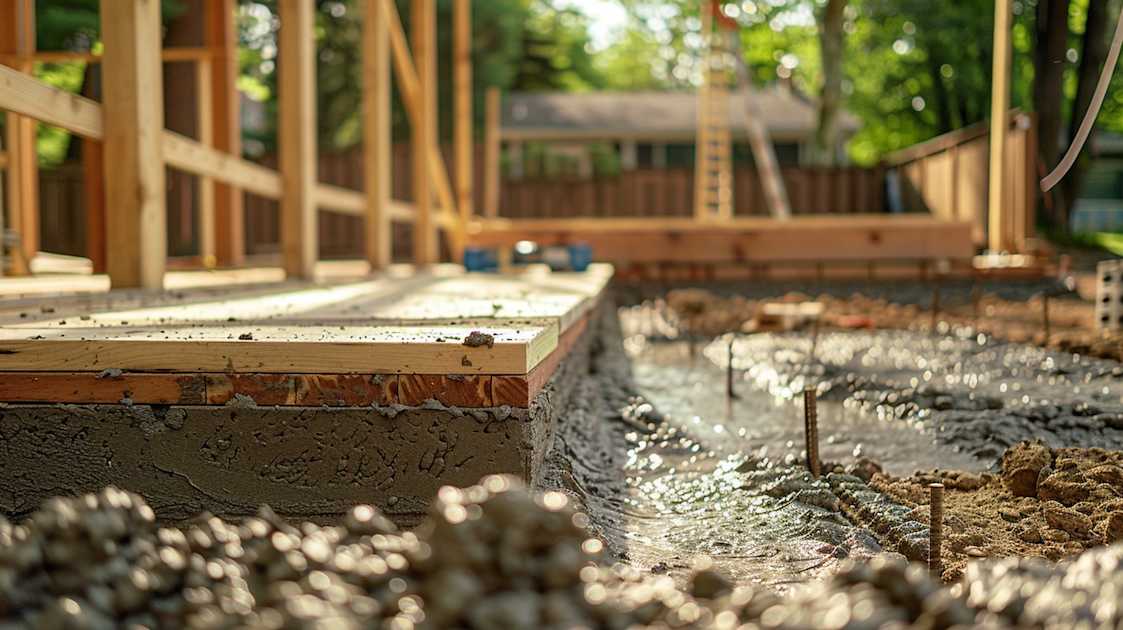


When building a deck, one crucial element that ensures durability and safety is the deck footing. A well-laid foundation supports the entire structure, making it crucial to get this component right. In this comprehensive guide, we will explore everything you need to know about deck footings, from materials to installation techniques.
What Are Deck Footings?
Deck footings are essentially the foundation of your deck. They are structural elements that transfer the load from the deck to the ground. Without proper footings, your deck risks becoming unstable over time, especially in adverse weather conditions.
Importance of Deck Footings
Ensuring your deck is supported by solid footings is vital for several reasons:
- Safety: Proper footings prevent the deck from collapsing or settling unevenly.
- Durability: A well-supported deck withstands weather changes and heavy use.
- Compliance: Building codes often require specific footing standards to enforce safety.
Types of Deck Footings
When planning your deck, understanding the different types of footings is pivotal. Each type has its advantages, depending on your specific needs.
Concrete Footings
Concrete footings are the most common type used for decks. They provide:
- Strength and Stability: Concrete can support substantial weight, ideal for heavy decks.
- Longevity: Properly cured concrete footings can last decades without significant deterioration.
Precast Pier Blocks
Precast pier blocks are a convenient option for small decks. Their benefits include:
- Ease of Use: No need for excavation; simply position them correctly.
- Flexibility: Ideal for decks visible from all sides without intrusive elements.
Helical Piles
Helical piles are gaining popularity due to their innovative design:
- Minimal Disruption: Installed with minimal site disturbance, preserving landscaping.
- Adaptability: Suitable for sites with challenging soil conditions.
Key Considerations for Deck Footings
When planning your deck footings, you need to consider several factors that influence the decision-making process.
Soil Type
The type of soil in your area plays a crucial role in footing choice and implementation. Important aspects include:
- Bearing Capacity: Ensure soil can support the type of footing material.
- Moisture Levels: High moisture areas may require deeper footings or specialized materials.
Footing Depth
Depth is an important consideration to prevent frost heave and ensure stability:
- Frost Line: Footings should extend below your area's frost line to ensure durability.
- Local Regulations: Check local building codes for specific depth requirements.
Load Requirements
Understand the load your deck will bear to determine the appropriate size and material for footings:
- Deck Size: A larger deck will require sturdier and more extensive footings.
- Furniture & Occupants: Consider the weight of patio furniture and the number of people it will regularly support.
How to Install Deck Footings
Installing deck footings involves careful planning, execution, and adherence to safety standards. Below, we breakdown the basic steps involved:
Plan and Mark the Site: Use stakes to outline the deck perimeter and determine where footings will be placed.
Excavate Holes: Dig holes to the required depth, making sure to comply with local codes. Consider renting or purchasing an auger to simplify this process.
Prepare the Base: Fill the bottom of the hole with gravel to allow drainage and provide a stable base.
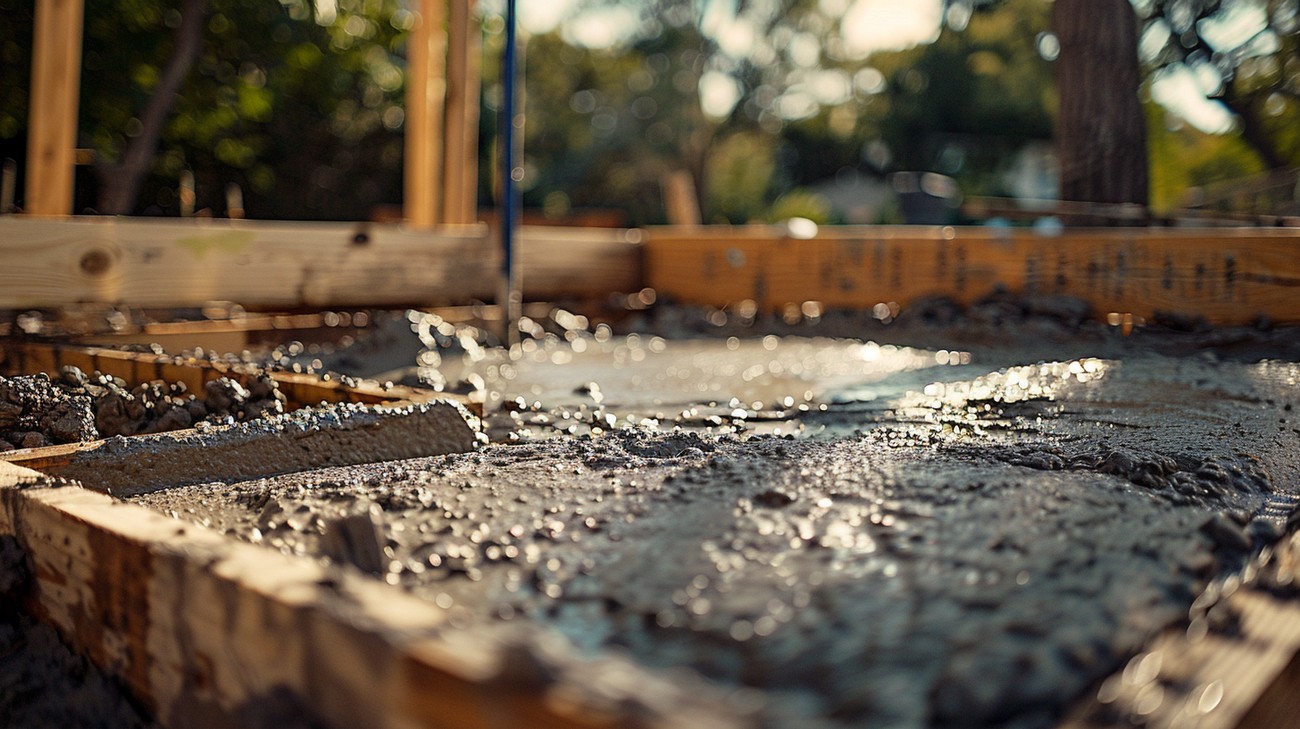
Pour Concrete (if applicable): Mix and pour concrete, ensuring it is leveled and well-compacted. Cure for the recommended time to achieve optimal strength.
Install Footing Forms (if necessary): Use tubes or prefabricated forms to shape the footings and keep them aligned.
Scope and Anchor Bolts: Position metal anchors in the wet concrete for future deck post attachment.
Common Mistakes to Avoid
While installing deck footings, it's crucial to be mindful of common pitfalls. The following mistakes can compromise the integrity of your deck:
- Shallow Footings: Ensure footings reach below the frost line to prevent movement.
- Inadequate Drainage: Lack of proper water management can lead to footing failure.
- Ignoring Soil Conditions: Overlooking soil specifications can result in settling or shifting.
Benefits of Professional Help
While DIY projects are often rewarding, hiring professionals for your deck footings can be beneficial, especially for complex sites. Advantages include:
- Expertise: Professionals bring valuable knowledge of local conditions and regulations.
- Efficiency: Trained teams can streamline the process, saving you time and effort.
FAQ Section: Understanding Deck Footings
Why are deck footings important?
Deck footings are crucial because they provide the foundation that supports the weight of the deck and transfers it to the ground. Without proper deck footings, your deck might become unstable and unsafe, leading to potential structural failure. Properly installed footings ensure that your deck remains level and stable, even with the movement of the ground due to freezing and thawing cycles, rain, or erosion. A well-constructed footing minimizes the risk of the deck shifting or collapsing, ultimately creating a safe and long-lasting outdoor space.
How deep should I dig for deck footings?
The depth of deck footings is typically determined by your local building codes, which consider factors like frost lines and soil conditions. Generally, footings need to be set below the frost line, which can range from 12 inches to over 48 inches deep, depending on your location. Digging deeper than the frost line prevents frost heave from lifting the deck support during freeze/thaw cycles. It's important to check with local regulations or consult a professional to determine the correct depth for your deck footings to ensure compliance and safety.
What materials are best for deck footings?
There are several materials you can use for deck footings, each with its own merits. Traditional poured concrete is the most commonly used material due to its strength and durability. Concrete footings offer excellent stability and can be formed to the necessary specifications for the deck design. For those seeking a faster alternative, precast concrete piers or footing forms like sonotubes can also be used. Some innovative products like helical piles—a type of steel shaft with helices that screw into the ground—are becoming popular for their ease of installation and reduced environmental impact. The choice of material often depends on the size of the deck, soil conditions, and budget.
How important is the soil type when installing deck footings?
Soil type is a critical factor when installing deck footings, as it affects the stability and load-bearing capacity of the foundation. Sandy soils drain well but may require deeper footings to provide sufficient support. Clay soils can expand and contract significantly, which can lead to movement in the footings. Rocky or gravelly soils, on the other hand, offer excellent support but may require specialized equipment to excavate. Conducting a soil test helps determine the type of soil you're dealing with and ensures that your deck footings are designed and installed to accommodate the specific conditions, which ultimately contributes to the longevity and safety of your deck.
Can you build a deck without footings?
In some cases, you can build a deck without traditional deck footings, but it's dependent on the deck's design and the specific conditions at the site. Floating decks, also known as ground-level decks, can sometimes be constructed without deep footings as they rest directly on concrete blocks or pads placed on or just below the surface. However, these decks are typically smaller and require flat, stable terrain to prevent shifting. For elevated decks or those carrying significant load, footings are essential for safety and compliance with building codes. Always consult local regulations and a structural engineer before deciding to construct a deck without footings.
How do you install deck footings on a slope?
Installing deck footings on a slope requires careful planning and execution to ensure stability and safety. Start by determining the height variations and angle of the slope. You'll likely need to dig deeper into the uphill side and progressively shallower on the downhill side to create a level foundation. Terracing the slope with retaining walls can help support the footings and prevent soil erosion. Using adjustable post bases or helical piles can also accommodate uneven terrain more easily. It's usually advisable to involve a structural engineer to ensure the design can handle the conditions and to mitigate any risks associated with building on a slope.
Can existing deck footings be reused for a new deck?
Reusing existing deck footings for a new deck is possible, but there are several factors to consider. First, assess the condition of the current footings; they should be structurally sound, have no visible cracks, and be free from rot or degradation. Next, evaluate whether the old footings meet the current building code requirements for the new deck design, including depth and load capacity. If these criteria are met and the new deck will be of similar or lesser size and weight, the footings might be reusable. However, if the new deck is larger or heavier, new footings will likely be necessary to ensure safety and compliance. Consulting with a professional can help determine the best course of action.
Step-by-Step Guide
Tools and Materials Needed
- Shovel
- Post hole digger or power auger
- Wheelbarrow
- Spirit level
- Tape measure
- Concrete mix
- Water
- Mixing bucket or trough
- Wooden stakes
- String line
- Carpenter’s square
- Reinforcing brackets or rebar
- Concrete forms or cardboard tubes
- Safety gloves and goggles
- Notching hand saw (optional)
- Drill
Preparation Steps
Check Local Building Codes: Before you begin, check your local building codes for any specific requirements regarding deck footings. These regulations can vary, especially in different climate zones or soil types.
Plan Your Deck Design: Mark out your deck area using stakes and string. Ensure that your design plans for post placement allow for the proper support of your deck.
Call Before You Dig: Contact local utilities to check for underground pipes or cables in your intended footing locations to prevent costly damages or accidents.
Detailed Instructions for Building Deck Footings
Identify Footing Locations: Use a carpenter’s square and tape measure to pinpoint exact locations for each footing. Mark these spots with stakes and ensure they align with your overall deck plan.
Dig Footing Holes:
- Use a post hole digger or power auger to dig each footing hole. Make sure each hole is at least 3 feet deep or below the frost line in your area to avoid ground movement.
- The diameter should be at least twice the width of the posts you plan to use.
- Ensure the holes are straight and uniform using a spirit level; this is crucial for stable footings.
Set Concrete Forms:
- If using cardboard tubes or specific concrete forms, place them into the holes.
- Make sure they are level and just above ground level, allowing for water drainage.
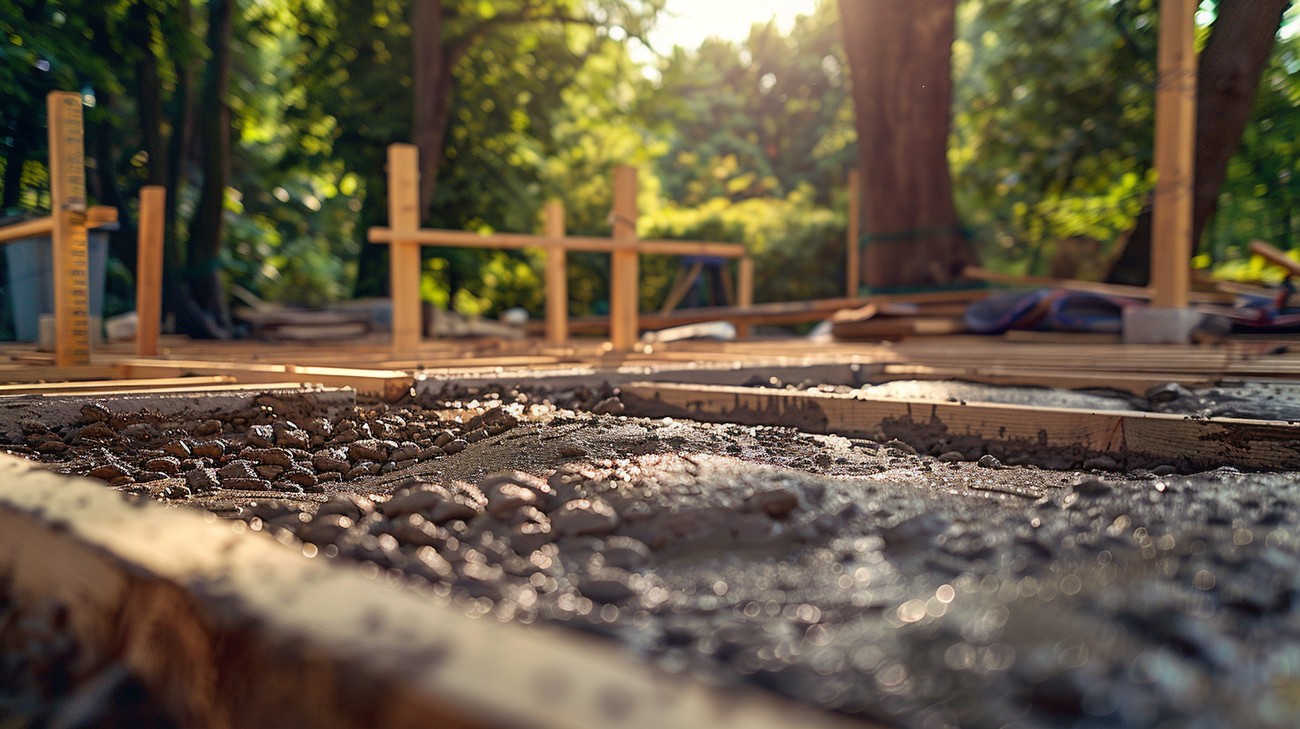
Mix and Pour Concrete:
- Follow the instructions on your concrete mix. Mix it in your bucket or trough using water until you achieve a peanut-butter-like consistency.
- Pour the concrete into the prepared forms up to ground level.
- Tap the sides of the forms gently to remove any air pockets.
Insert Rebar or Brackets:
- While the concrete is wet, insert reinforcing brackets or rebar to stabilize the load after it dries. Align them carefully using your spirit level to ensure structural soundness.
Let Concrete Cure:
- Allow the concrete to cure for at least 48 hours. Avoid disturbances or heavy weights during this time.
- After curing, check the alignment and leveling of the brackets or rebar.
Remove Forms:
- Carefully remove any temporary forms around the footings once fully cured.
- Backfill around the footings using excess soil, compacting gently.
Tips for Success
- Patience is Key: Allow time for the concrete to cure fully instead of rushing the process.
- Stay Safe: Always wear safety goggles and gloves when handling tools and materials.
- Accurate Measurements: Consistently check alignment with a spirit level to avoid unnecessary adjustments later.
What to Do if Something Goes Wrong
- Misaligned Footing: If a footing is not level, you may need to reset it. Dig around the area, correct the level, and add more concrete on top if necessary to achieve the right height.
- Cracked Concrete: If the concrete cracks during curing, determine if the crack affects structural integrity. For small cracks, seal them with a waterproof concrete sealant. Large cracks might require that the process be redone.
- Utility Interference: If you accidentally hit a utility line, halt all operations immediately and contact your service provider to address the issue.
Common Mistakes to Avoid
1. Inadequate Depth
One common mistake with deck footings is not digging deep enough. This happens often because homeowners underestimate the soil's frost line depth in their area, affecting the footing's structural integrity during seasonal changes.
Avoiding It: Always check your local building codes, which typically specify the minimum depth required. As a rule of thumb, footings should be at least below the frost line to prevent movement during freeze-thaw cycles.
If It Happened: If you've already poured shallow footings, it might be necessary to re-dig and pour new ones at the proper depth. This can be labor-intensive but will ensure long-term stability.
Expert Recommendation: Consulting a structural engineer or a professional builder before beginning work can save you time and effort by helping plan appropriately from the start.
2. Using Incorrect Materials
Sometimes, the wrong materials are used for deck footings due to a lack of knowledge about what materials can best withstand environmental stresses and loads.
Avoiding It: Use concrete as it's widely recognized for footing installations. Ready-mix concrete or concrete piers are particularly reliable choices. Ensure the mix ratio is accurate and use reinforcement bars for added strength.
If It Happened: If inappropriate materials, like plain earth or inadequate mixes, have been used, consider replacing them. Jack up the deck, remove the material, and repour using the correct mix.
Expert Recommendation: Look for concrete specifically labeled for footing use. Consulting suppliers for recommendations based on your specific conditions can provide additional peace of mind.
3. Incorrect Spacing
Incorrect spacing of footings often occurs when there's a lack of proper planning and measurement. This can result in structural weakness or inefficient load distribution.
Avoiding It: Plan the layout meticulously. Make use of design software or work with a deck designer to accurately determine the required number and location of footings for even weight distribution.
If It Happened: If your footings are too far apart, add additional footings between existing ones to support the load effectively.
Expert Recommendation: Follow the deck's structural plan closely and double-check all measurements before proceeding with the installations.
4. Inadequate Size
Footing size is sometimes underestimated, leading to reduced load-bearing capacity. This can be due to haste or cutting costs.
Avoiding It: Calculate the load your deck will carry, including potential additional furniture, people, and snow loads where applicable. Use these calculations to decide on the appropriate footing diameter.
If It Happened: Increase footing size by adding surrounding support where possible. This might involve additional digging and pouring.
Expert Recommendation: For decks with heavy loads, oversized footings are better than undersized ones. Consulting with an engineer might be necessary for accurate load calculations.
5. Poor Drainage
Poor drainage around deck footings could lead to water pooling, causing soil erosion and compromising the footing’s stability. This usually happens when there's no consideration for water runoff in the initial planning.
Avoiding It: Proper site evaluation and grading before installing footings is crucial. Consider using gravel beds under the footings to aid in drainage.
If It Happened: If water is pooling, redirect it away from the footings by installing drainage systems or regrading the area to improve water flow.
Expert Recommendation: Rainwater management is an essential part of stable deck construction. Water should always be guided away from footings.
6. Ignoring Soil Conditions
Underestimating soil conditions is a frequent issue, often because homeowners are unaware of how different soil types affect footings.
Avoiding It: Conduct a soil test before beginning construction to determine its bearing capacity. Use these findings to adjust footing size and depth as necessary.
If It Happened: If your footings were installed on poor soil, you may need to reinforce them or redistribute the deck load more evenly.
Expert Recommendation: Soil with good drainage properties often requires less reinforcement. Always prioritize understanding your site conditions before starting.
7. Failing to Account for Slope
Building on a slope without proper preparation can lead to unstable footings. This mistake often arises from underestimating the complexities of sloped terrain.
Avoiding It: Evaluate the slope and consult with professionals to decide on employing stepped footings or retaining walls as part of your deck design.
If It Happened: You may need to retrofit existing footings by installing retaining systems or pilings to stabilize the structure.
Final Thoughts
When it comes to building a safe and sturdy deck, the importance of proper deck footings cannot be overstated. These foundational elements ensure that your deck stands strong against the elements and provides a secure space for years to come. Whether you’re planning a cozy backyard retreat or an entertainment space in Lexington, KY, understanding the design and installation of your footings can make all the difference in the durability and longevity of your deck.
If you're ready to enhance your outdoor space, we at US Quality Construction of Lexington are here to help. Our experienced team can guide you through the process, ensuring that your deck footings are expertly designed and installed to meet your specific needs. Feel free to reach out for a consultation or to request a free estimate—we’re excited to help you create the deck of your dreams!
Tags: Construction, Foundation, Support,