

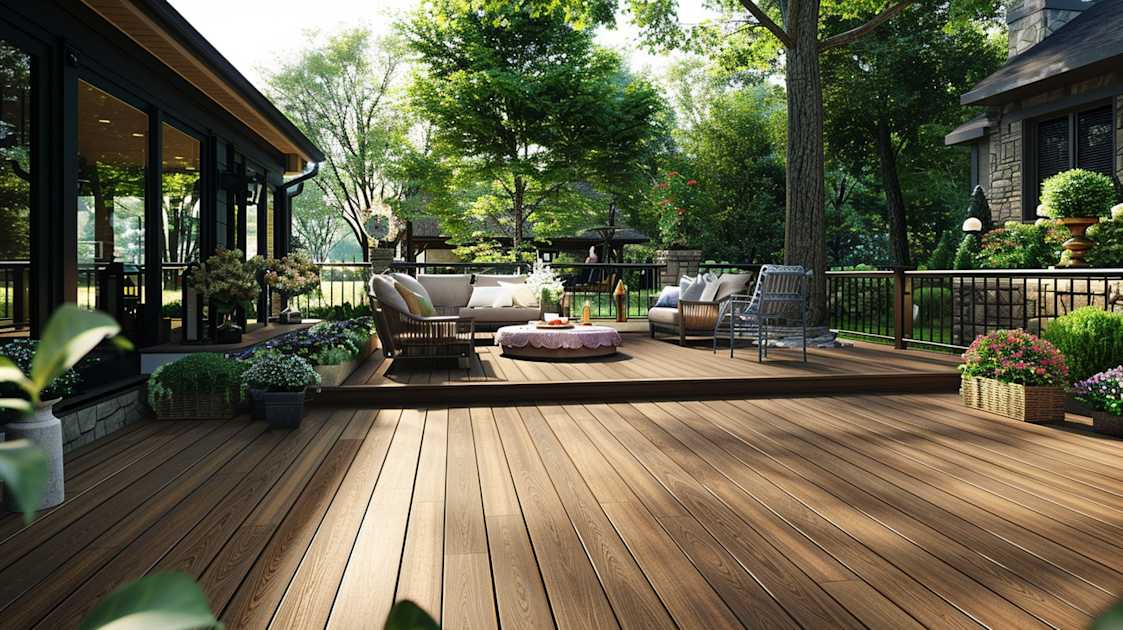


Decking is a popular home improvement option, and with the myriad of materials available, it can be challenging to know which one to choose. Composite decking has emerged as a leading choice due to its durability, aesthetic appeal, and low maintenance needs. If you're considering investing in a composite deck, this ultimate guide will provide you with detailed insights to help inform your decision.
What Are Composite Decks?
Composite decks are crafted from a blend of wood fibers and plastic. This innovative material is designed to offer the best of both worlds—combining the natural appearance of wood with the resilience and low upkeep of synthetic materials. This synergy results in a product that is both eco-friendly and long-lasting.
Ingredients of Composite Decks
Composite decking materials generally include:
- Wood Fiber: Provides a natural look and enhanced strength.
- Recycled Plastics: Adds durability and moisture resistance.
- Additives: Includes UV stabilizers, colorants, and bonding agents to ensure long-term color retention and structural integrity.
The Evolution of Composite Decking
Composite decking has come a long way since its inception in the late 20th century. Early versions were prone to fading, staining, and mold growth; however, advancements in technology and manufacturing processes have resulted in products that closely mimic the appearance of real wood while offering superior performance. Modern composite decks are designed to withstand various weather conditions and require minimal maintenance, making them an attractive choice for homeowners.
Key Benefits of Composite Decks
Besides their stunning appearance, composite decks offer numerous advantages that make them an appealing option for outdoor living spaces.
Low Maintenance
One of the most attractive features of composite decks is their low maintenance. Unlike traditional wood decks, composite materials do not require regular staining, painting, or sealing. A simple annual cleaning with soap and water is typically sufficient to keep your deck looking pristine. This ease of care means more time spent enjoying your outdoor space rather than maintaining it.
Durability
Composite decking is designed to withstand harsh conditions and high foot traffic for years. It doesn't splinter, warp, or rot—issues commonly associated with wood decks. Moreover, the addition of anti-fade and anti-UV agents ensures the colors remain vibrant despite exposure to sunlight.
Eco-Friendly Option
By utilizing recycled materials, composite decks contribute to environmental conservation. The manufacturing process often employs recycled plastics and reclaimed wood, reducing waste and minimizing the impact on natural resources. Additionally, because they last longer than wooden decks, fewer materials are consumed over time, further enhancing their sustainability.
Design Options and Aesthetics
Composite decks offer a wide range of design possibilities, allowing homeowners to customize their outdoor space to match their style preferences.
Color and Texture Variety
Manufacturers offer a vast array of colors, mimicking various hardwood species and shades. Whether you prefer the rustic charm of cedar or the dark elegance of mahogany, there's a composite option for you. Additionally, different textures are available, from smooth finishes to more pronounced wood grains, enhancing the deck's natural appearance.
Innovative Design Features
Modern composite decking products include innovative design elements such as hidden fasteners, making installation a breeze and providing a seamless look. Many brands also offer complementary products like railings and steps, creating a cohesive outdoor aesthetic.
Installation Considerations
Installing a composite deck may seem daunting, but with careful planning and the right approach, it can be a rewarding DIY project or a straightforward task for professionals.
Professional vs. DIY Installation
Choosing between hiring professionals or embarking on a DIY installation depends on your skill level, budget, and available time. Professional installers bring expertise and efficiency, ensuring a perfect finish. However, if you possess basic carpentry skills and desire a hands-on experience, opting for a DIY installation can reduce costs substantially.
Site Preparation and Planning
Before installation, proper site preparation is crucial. Ensure your space is leveled and free of debris. Consider factors such as deck size, shape, and intended usage, as these will influence the design and material selection.
Tools and Materials Required
Preparing a list of essential tools and materials is vital for a successful installation. Key items include:
- Power drill
- Measuring tape
- Saw (miter or circular)
- Level
- Composite decking boards
- Hidden fasteners or clips
- Nails or screws (specifically designed for composites)
Maintenance Tips for Longevity
Although composite decks are low maintenance, adopting a few simple strategies can extend their lifespan and keep them looking attractive.
Regular Cleaning Practices
Routine cleaning helps prevent the buildup of dirt and debris. Use a soft bristle brush and soapy water to scrub the surface gently, particularly in high-traffic areas or near cooking zones where grease might accumulate. Avoid harsh chemicals and power washing, as these can damage the material.
Inspect and Protect
Periodically inspect your deck for signs of damage or wear, focusing on areas around fasteners and joints. Trim any overhanging tree branches that could scratch or deposit organic material on the surface.
Choosing the Right Composite Deck Brand
When selecting a composite decking brand, consider factors such as reputation, warranty, and price. Renowned manufacturers like Trex, TimberTech, and Fiberon provide comprehensive warranties, demonstrating confidence in their products' quality and durability. Compare aesthetics, cost, and customer reviews to find the best fit for your project.
Frequently Asked Questions About Composite Decks
How long do composite decks last?
Composite decking is known for its longevity and durability, often lasting between 25 to 30 years when properly maintained. This longevity is due to its resistance to rot, decay, and the typical wear and tear that affects natural wood. Composite deck boards are made from a mixture of wood fibers and plastic, which helps them hold up against harsh weather conditions and insect damage. However, always refer to the manufacturer's guidelines for specific maintenance tips to ensure your composite deck stands the test of time.
Do composite decks fade over time?
While composite decking materials are engineered to be more resistant to fading than traditional wood decking, some fading can occur. Most composite decks undergo some initial color tone change as they acclimate to environmental conditions; however, many manufacturers treat their products with additives that help protect against the sun’s UV rays. This means any fading will typically be minimal and uniform, rather than the patchy discoloration seen with wood.
Are composite decks environmentally friendly?
Yes, composite decks are considered environmentally friendly. Many composite decking products are made from recycled materials, such as reclaimed wood fibers and plastics, which help to reduce waste and reliance on new resources. By choosing composite decking, you contribute to sustainable practices that minimize your carbon footprint while still achieving a durable and aesthetically pleasing outdoor living space.
How does composite decking compare to wood in terms of cost?
When comparing composite decking to traditional wood, the initial cost of composite decking is generally higher. However, composite decks can be more cost-effective over time due to lower maintenance costs. While wood decking requires regular staining, sealing, and repairs, composite decks demand far less in terms of ongoing upkeep. This translates to savings on materials and labor over the lifespan of the deck.
Are composite decks slippery when wet?
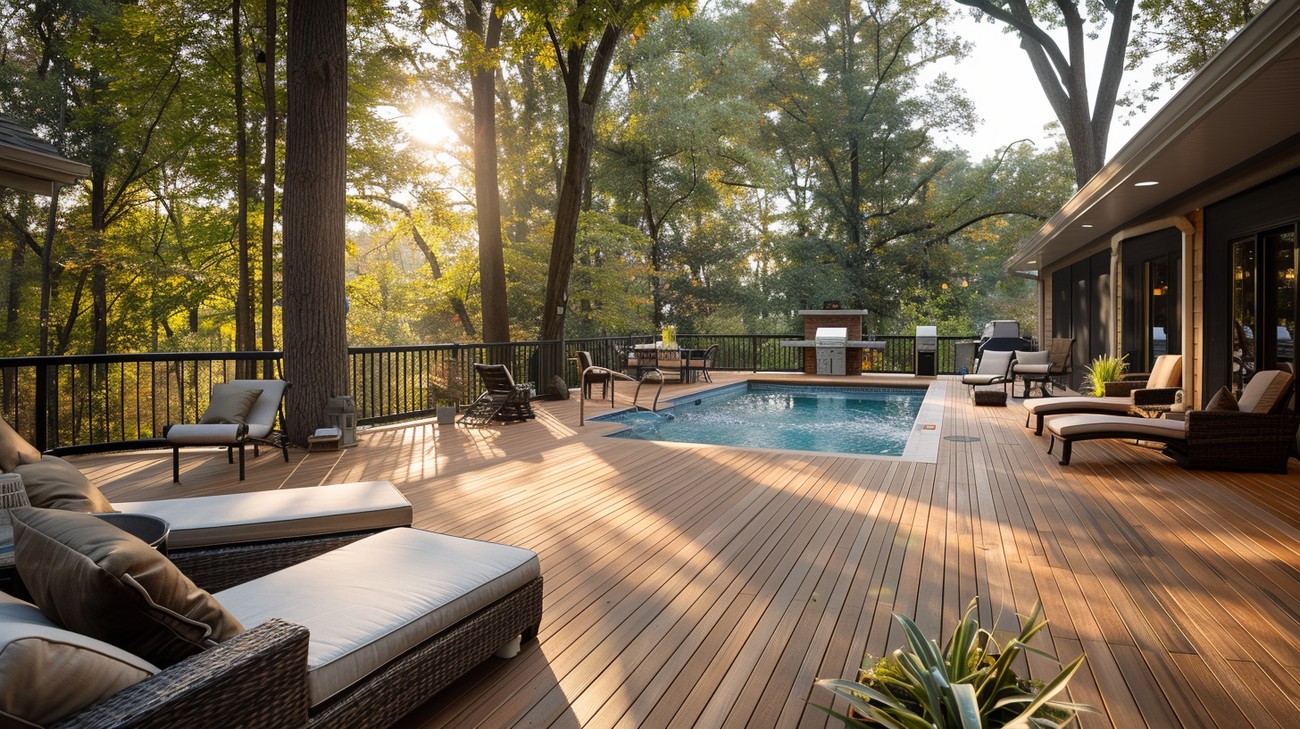
Composite decks have been designed with safety in mind, typically featuring an embossed texture that provides better traction when wet. This helps to reduce the risk of slips and falls, particularly in areas prone to moisture. While no surface is entirely slip-proof, composite decks offer more slip resistance compared to smooth wood surfaces, making them a suitable choice for poolside installations or rainy climates.
Can I paint or stain my composite deck?
Most modern composite decking products are crafted to maintain their color and finish over time, eliminating the need for painting or staining. Painting or staining composite decks is generally not recommended, as it can interfere with the engineered properties of the material and result in less protection against the elements. If you wish to refresh the look of your composite deck, consider using specially formulated composite deck cleaning solutions.
How do I clean and maintain a composite deck?
Cleaning and maintaining a composite deck is straightforward and requires minimal effort. Regularly sweep away dirt and debris, and wash the surface with a mild soap or a composite deck cleaner and water solution as needed. For stubborn stains, a soft-bristle brush can be used, taking care to follow the grain of the deck boards. Avoid using harsh chemicals or power washers, as they can damage the deck’s surface. Consistently maintaining these simple steps will keep your deck looking its best.
Are composite decks resistant to mold and mildew?
Composite decks are built to resist mold and mildew better than traditional wood decks due to their synthetic components. However, they are not entirely immune. Proper ventilation and regular maintenance, such as cleaning up debris and ensuring drainage, play crucial roles in preventing mold and mildew growth. If mold or mildew does occur, it can typically be removed with a composite deck cleaner and a gentle scrub.
How do I prevent scratches on composite decking?
Composite decking is designed to be more resistant to scratches than wood; however, it is not entirely impervious. To minimize scratches, use furniture pads under chairs and tables, and avoid dragging heavy items across the deck. Keeping the deck free of sand, pebbles, and other abrasive materials will also help maintain its pristine appearance. Should minor scratches occur, they often become less noticeable over time due to the natural weathering process of the deck.
Can composite decking be used in extreme temperatures?
Composite decking is engineered to withstand a wide range of temperatures, making it suitable for various climates. It typically expands and contracts with temperature changes, but this movement is anticipated and accounted for during installation. Ensure your composite deck is installed by professionals who understand how to accommodate for local temperature fluctuations to prevent warping or other issues over time.
Is composite decking a fire hazard?
Composite decking varies in its fire resistance, as some manufacturers incorporate fire-retardant additives into their products. When selecting composite decks, look for products that meet or exceed fire safety standards and consider how fire risk may affect your decking material choice. While composite decks offer improved fire resistance compared to untreated wood, always exercise caution with open flames or heat sources around your deck.
Pros & Cons of Composite Decks
Pros
Low Maintenance
One of the biggest draws of composite decks is their low upkeep. You can finally say goodbye to splinter-filled weekends spent sanding and staining. Just a simple wash now and then will keep your deck looking fresh and fabulous. Imagine the extra time you can spend relaxing instead of worrying about maintaining your outdoor oasis!
Durability
Composite decks are not just a pretty face; they are strong and last a long time. Unlike traditional wood, composite materials can withstand a variety of weather conditions without rotting, warping, or splintering. Consider this as an investment that stands the test of time, letting you host summer gatherings for many more years without a hitch.
Sustainability
If being environmentally friendly matters to you, composite decking often has an edge because many boards are made from a mix of recycled wood fibers and plastics. So, you get the satisfaction of knowing you're choosing a product that gives old materials a new, long-lived purpose.
Aesthetic Versatility
Composite decks come in a wide range of colors and finishes, allowing you to customize the look to your heart’s desire. Whether you're going for a rustic feel, a modern vibe, or something in between, there's likely a composite option that fits your vision. Plus, their fade resistance helps them retain their vivid appearance, even in those sun-baked summer months.
Safety
With features like slip resistance, composite decks are a safer choice for households with kids and pets—or anyone, really, who's a bit of a klutz! Plus, with no nails protruding out and no splinters, barefoot adventures on your deck become worry-free.
Cons
Cost
There’s no sugar-coating it: composite decks can be pricier upfront than their wooden counterparts. The materials themselves tend to cost more, which might make you wince a little initially. However, it could pay off over time through savings on maintenance and repairs.
Heat Retention
On sweltering hot days, composite decks have a tendency to soak up the sun and get pretty darn hot. You might want to keep a pair of flip-flops handy if your deck gets direct sunlight, as those cooler barefoot strolls can turn scorching quickly.
Limited Color Change
If you’re the type who likes to switch things up, you might find composite lacks a bit of flexibility. Once you choose the color and design, changing it later isn't as simple as slapping on a new coat of paint, as you might with wood.
Heavyweight
Composite materials can be heavier than wood, which could present a challenge during installation. This added weight might also require adjustments in your deck's design or the support structure compared to traditional wood decks.
Possible Fading and Scratches
While composite materials are resistant to many of nature's villains, they can still fade over time, especially if constantly exposed to harsh sunlight. And although they're tougher against scratches than wood, they're not impervious. Dragging furniture across them might leave a mark, so some care is still necessary.
Final Thoughts
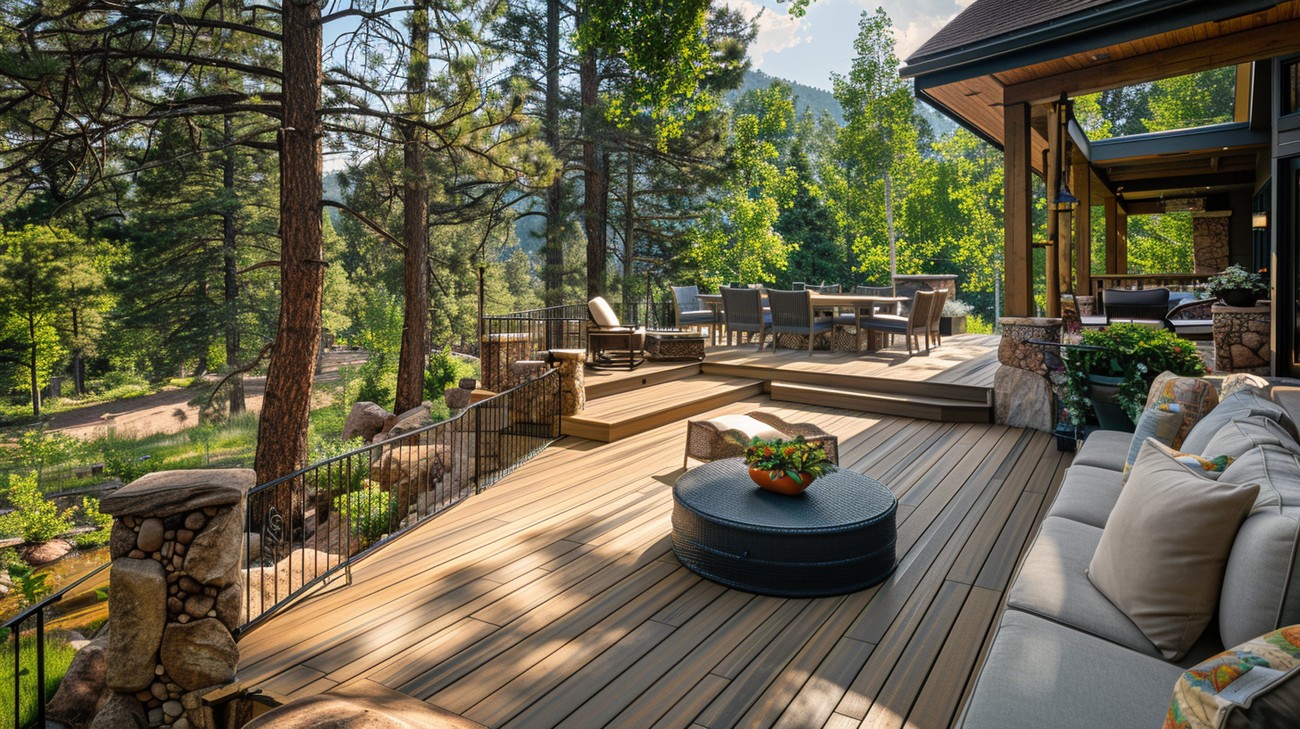
Choosing the right materials for your outdoor space can make all the difference, and composite decks provide an excellent blend of durability, low maintenance, and aesthetic appeal. Whether you’re looking to enhance your backyard for family gatherings or create a serene spot for relaxation, investing in quality materials can pay off in the long run, especially in a climate like ours in Lexington, KY.
If you’re considering a composite deck for your home, we’re here to help! At US Quality Construction of Lexington, we pride ourselves on our expertise and commitment to delivering exactly what our clients envision. We invite you to reach out to us to schedule a consultation or request a free estimate, ensuring you have the perfect deck to enjoy for years to come. Let's transform your outdoor space together!
Tags: durable, low-maintenance, outdoor living,